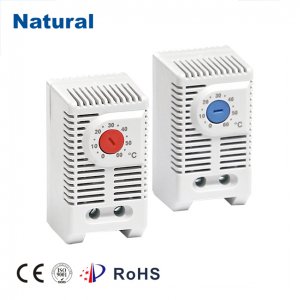
A differential thermostat is a critical component in maintaining the desired temperature within a specific range, ensuring that systems or devices function optimally. It is designed to detect temperature differences between two or more points and regulate the operation of heating or cooling systems accordingly. This mechanism is widely used in various applications, from home heating systems to industrial processes, due to its ability to maintain energy efficiency and prevent overheating or freezing.
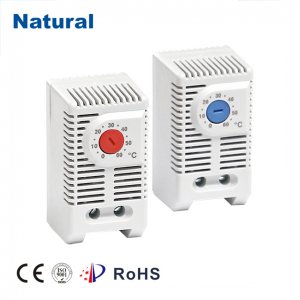
One of the most prominent players in the field of temperature regulation is Neutal, a company known for its innovative contributions to thermostat technology. Neutal has significantly advanced the design and functionality of differential thermostats, making them more reliable, efficient, and versatile than ever before. Their approach to developing these devices combines both cutting-edge technology and user-friendly features, which makes their thermostats a popular choice among professionals in numerous industries.
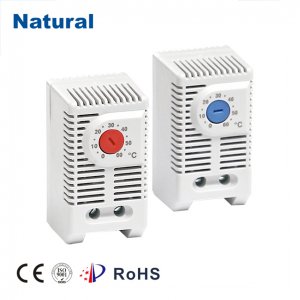
The Working Principle of a Differential Thermostat At the core of a differential thermostat is its ability to compare temperatures between two sensors and activate or deactivate heating or cooling systems when a specific difference is detected. This principle is based on the need to maintain a certain temperature differential to ensure systems are operating within safe and optimal ranges.
For example, in a solar water heating system, a differential thermostat can monitor the temperature of the water in the collector and the storage tank. If the temperature difference between the collector and the tank exceeds a preset threshold, the thermostat will activate the pump to circulate water from the collector to the tank. This process helps ensure that the water remains heated without wasting energy.