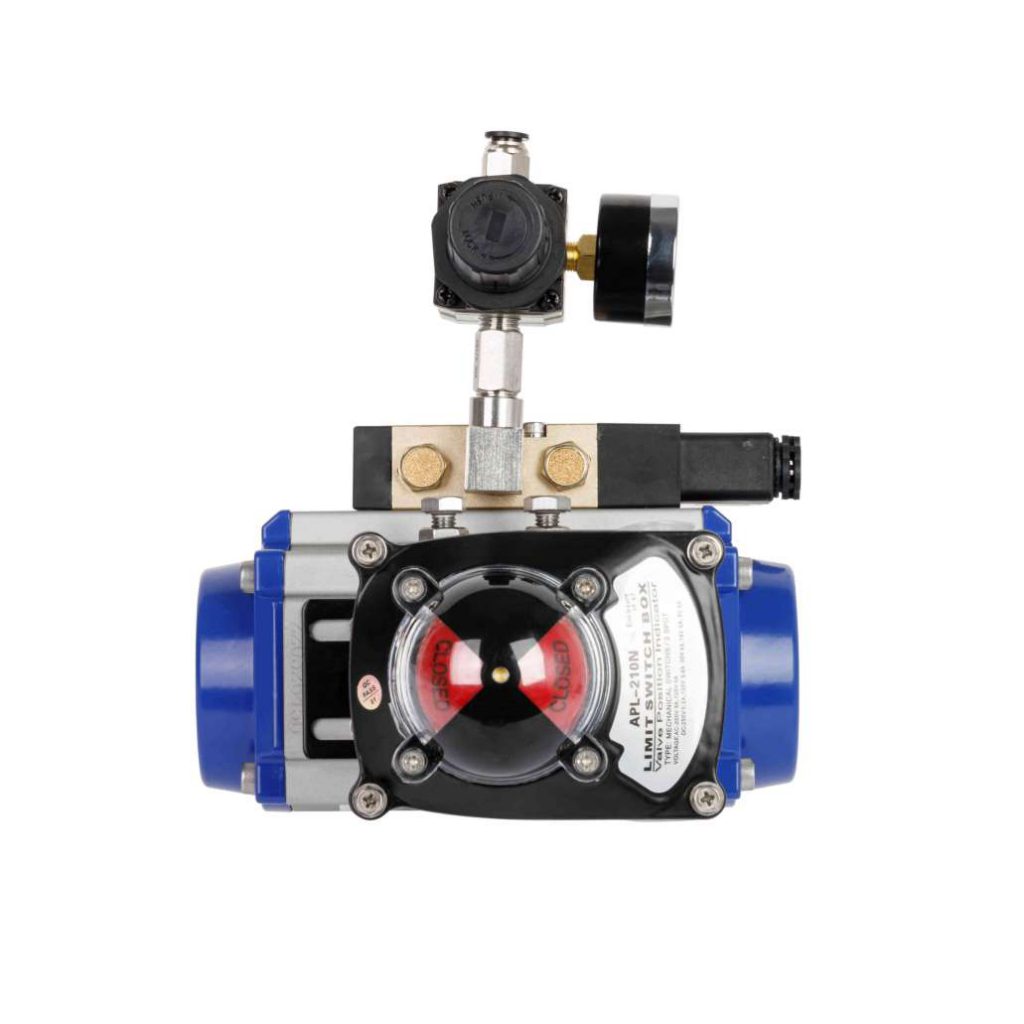
Pneumatic actuators are vital components in many industrial applications, offering a reliable and efficient means of converting compressed air into mechanical motion. These devices play a crucial role in automated systems, enabling precise control of various processes. This article delves into the workings, benefits, and applications of pneumatic actuators, shedding light on why they are a popular choice in modern engineering.
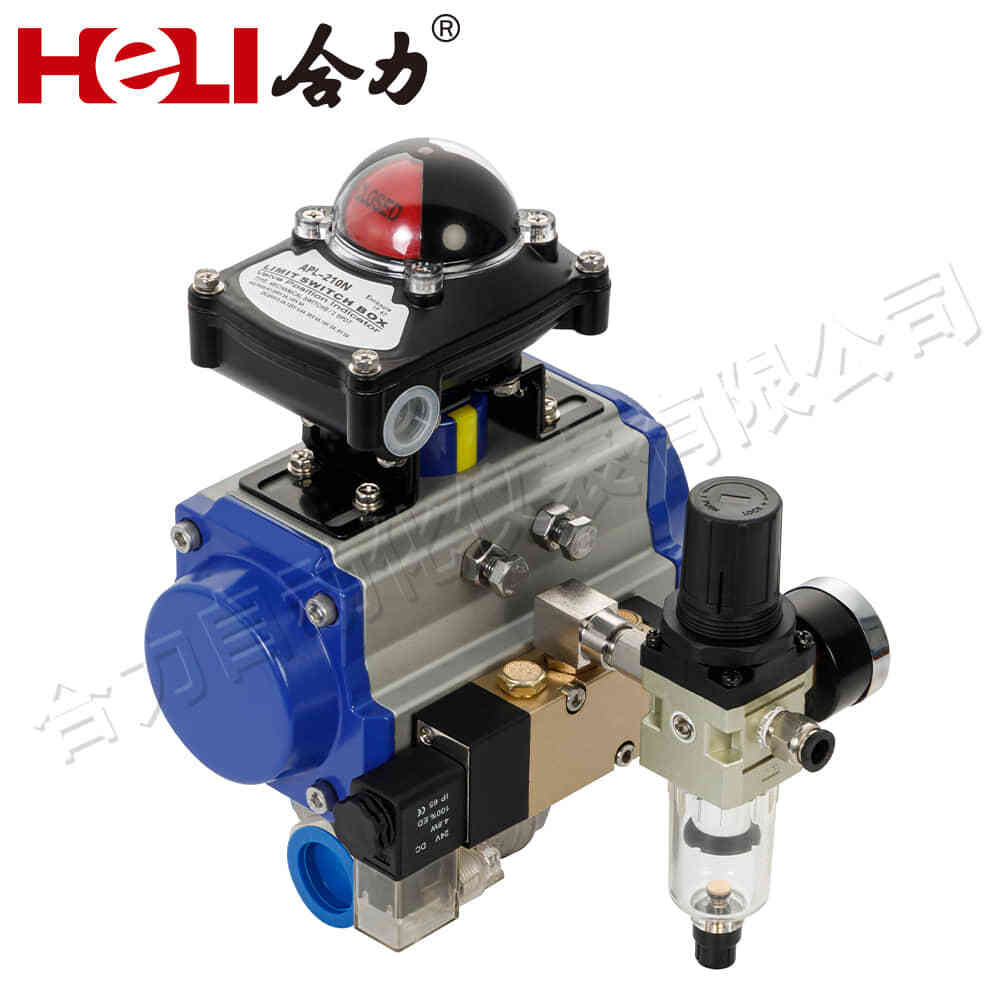
What is a Pneumatic Actuator?
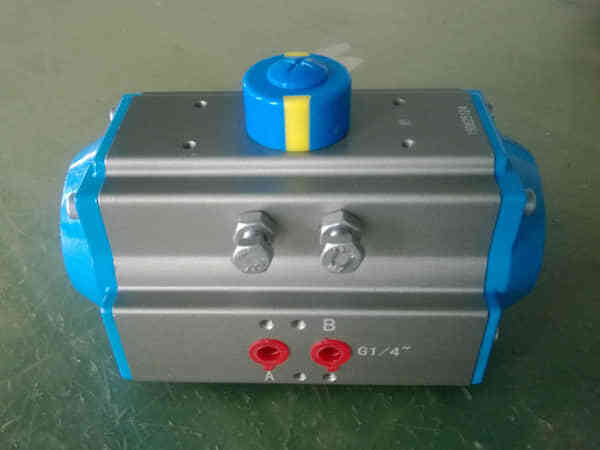
A pneumatic actuator is a type of actuator that uses compressed air to generate motion. Typically, it consists of a cylinder, a piston, and various seals and connectors. When compressed air enters the cylinder, it pushes the piston, causing linear or rotary motion. The design can vary based on the application, with common types including single-acting, double-acting, and rotary pneumatic actuators. Types of Pneumatic Actuators Single-Acting Actuators: These actuators use air pressure to move the piston in one direction. A spring mechanism typically returns the piston to its original position when the pressure is released.