A Time Delay Relay (TDR) is an essential component in many electrical systems, used for introducing a delay in the operation of a circuit. Whether it’s to control a motor’s startup time or to delay the switching of lights or alarms, TDRs provide a crucial role in automation systems. These relays help to manage processes by adding a set time delay between an input signal and the corresponding output action.
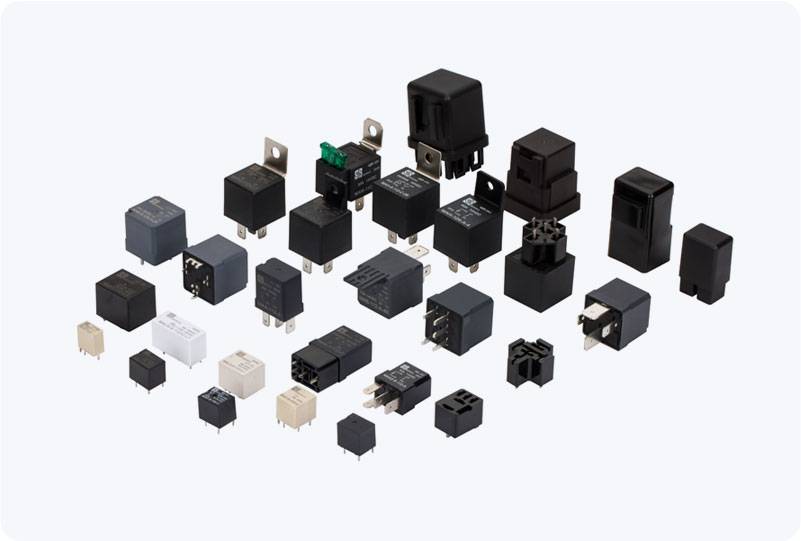
What is a Time Delay Relay? A Time Delay Relay is an electrical device that delays the operation of a circuit based on time. When it receives an input signal, it either delays the activation or deactivation of the output until a specific amount of time has passed. This delay can be programmed or adjusted depending on the application, making it highly versatile. The relay typically operates in two main modes: On-Delay (TD-On): The relay waits for a specified time after receiving the input signal before closing the circuit and activating the connected device. Off-Delay (TD-Off): The relay closes the circuit upon receiving the input signal but will wait for a pre-set delay time before opening the circuit again, deactivating the device.