In recent years, the shift toward new energy vehicles (NEVs) has become one of the most prominent trends in the automotive industry. This transformation is primarily driven by the global push for cleaner energy and reducing carbon emissions. Among the numerous innovations supporting this transition, the high voltage direct current (DC) relay plays a pivotal role in ensuring the safe and efficient operation of electric vehicles (EVs) and hybrid vehicles. These relays are essential components in managing the high voltage electrical systems in NEVs, specifically for controlling and isolating critical electrical connections between the battery, motor, and other high-voltage systems.
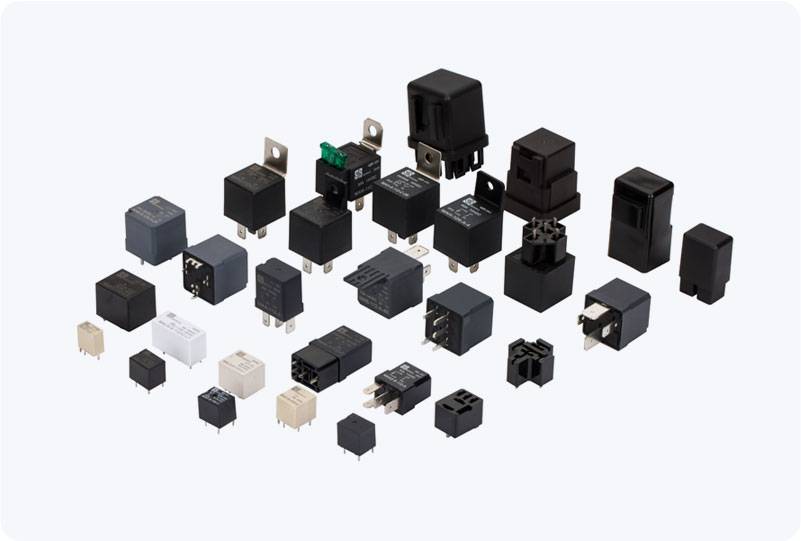
What is a High Voltage DC Relay? A high voltage DC relay is an electrically operated switch that is designed to control high voltage direct current circuits. In electric vehicles, these relays typically manage the flow of electricity between the battery pack and various subsystems such as the motor and onboard chargers. Unlike traditional low voltage relays, high voltage DC relays are built to handle significantly higher electrical loads, often upwards of 200V to 800V, depending on the vehicle’s electrical system. The role of these relays is critical in ensuring that the vehicle’s electrical circuits operate safely and reliably under all conditions. They are employed to control the charging and discharging of the battery, to provide electrical isolation for maintenance and safety purposes, and to prevent short circuits or overcurrent situations that could cause harm to the vehicle’s electrical components.