In the ever-evolving world of water treatment systems, efficiency, reliability, and automation are crucial factors. One device that plays a significant role in achieving these goals is the Water Treatment System Solenoid Valve. These valves, which are electromechanical devices, regulate the flow of water, chemicals, and other fluids in water treatment plants. This article explores the functions, benefits, and applications of solenoid valves within water treatment systems.
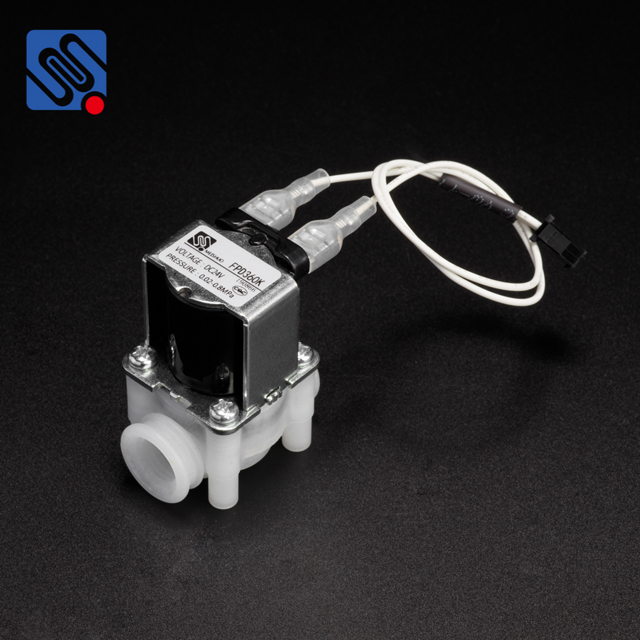
What is a Solenoid Valve? A solenoid valve consists of an electromagnetic solenoid coil, a valve body, and a movable plunger or piston. When an electric current passes through the solenoid, it generates a magnetic field that moves the plunger, which either opens or closes the valve. This operation allows the solenoid valve to control the flow of water or other fluids automatically. In water treatment systems, solenoid valves are essential components used to regulate and control water flow, chemical dosing, and various other processes. These valves can be designed to be normally open (NO) or normally closed (NC), depending on the specific needs of the application.