The 12V 60A relay is an essential electrical component widely used in numerous industries and applications, especially in high-current switching systems. This type of relay allows for the control of heavy electrical loads with a relatively small control voltage of 12V, offering both flexibility and safety. In this article, we will explore the working principle, applications, and advantages of the 12V 60A relay.
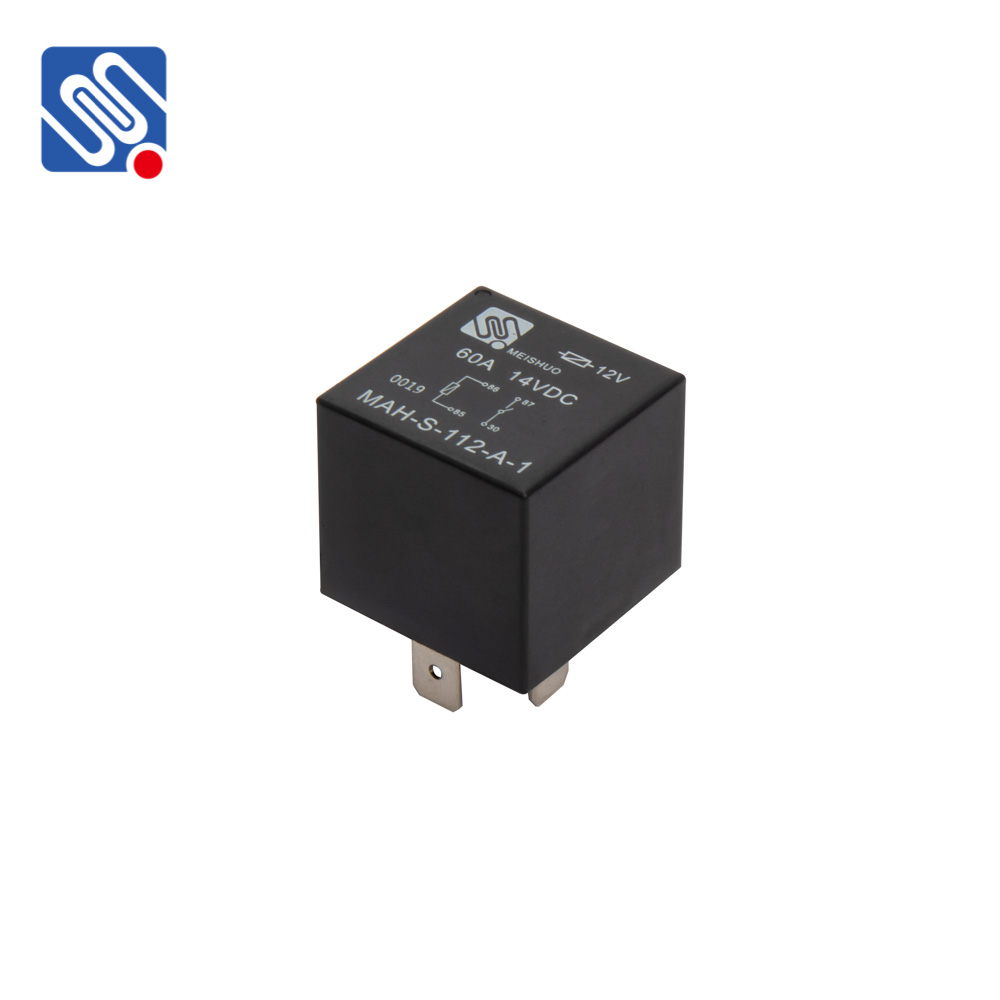
Working Principle of a 12V 60A Relay At its core, a relay is an electromagnetic switch that allows for the control of a high-power circuit using a low-power signal. The 12V 60A relay operates by using a 12V DC control signal to energize an electromagnet inside the relay. When the electromagnet is energized, it pulls a set of contacts together, closing the circuit and allowing current to flow through the high-power load. When the control voltage is removed, the electromagnet de-energizes, and the contacts return to their normal position, thereby cutting off the power to the load. The 60A specification indicates the maximum current the relay’s contacts can safely handle. This makes the 12V 60A relay ideal for controlling devices that require high power, such as motors, heating elements, and large automotive or industrial systems. It serves as a bridge between low-power control circuits and high-power applications, enabling precise control and operation of heavy-duty devices.