In modern vehicles, relays play a crucial role in controlling the electrical systems that ensure smooth operation. A relay is an electrically operated switch that allows a low-current circuit to control a high-current circuit. By acting as an intermediary between the driver’s commands and the vehicle’s electrical components, relays make the operation of various car functions more efficient and reliable. Understanding car relay types is essential for anyone interested in vehicle electronics, automotive repairs, or maintenance. This article will explore different car relay types, their functions, and how they contribute to the vehicle’s overall performance.
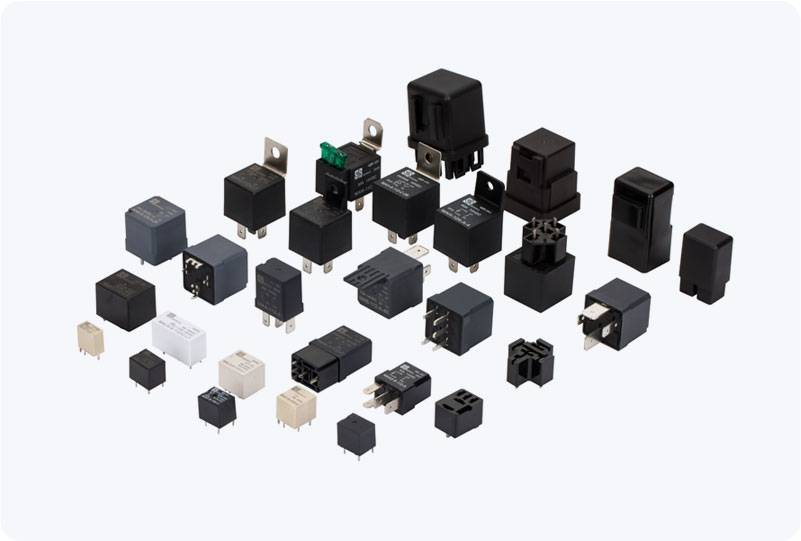
What is a Car Relay? A car relay consists of a coil, a set of contacts, and a spring. When an electric current passes through the coil, it generates a magnetic field that pulls the contacts together or apart, activating a particular circuit. Relays are commonly used in applications like the ignition system, headlights, air conditioning, and electric windows. Types of Car Relays Electromagnetic Relay The most common type of car relay is the electromagnetic relay. These relays operate using an electromagnet that, when energized, creates a magnetic field. This magnetic field pulls a set of contacts together, completing the circuit. Electromagnetic relays are commonly used for low to medium-current applications like controlling lights, horns, and fans. They are versatile and can handle a wide range of current loads.