An Electromechanical Switch is a crucial component in modern electrical systems, offering both mechanical and electrical functionalities. These switches, commonly found in various everyday applications, enable the user to control circuits by manually or electrically manipulating mechanical contacts. With its distinct advantage of integrating mechanical movement with electrical switching, the Electromechanical Switch remains essential in various fields, ranging from household appliances to complex industrial machinery. This article will explore the working principle, types, advantages, disadvantages, and key applications of Electromechanical Switches.
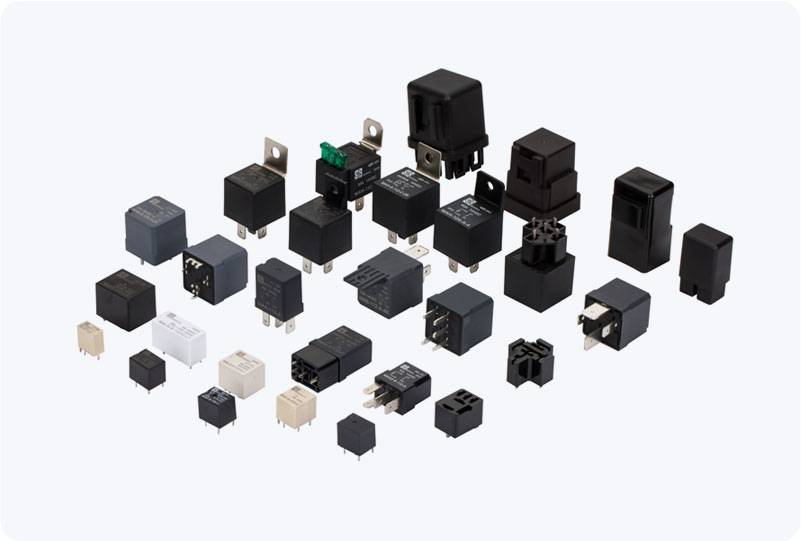
Working Principle At the core of an Electromechanical Switch is a set of electrical contacts. These contacts are typically made of conductive materials like copper or silver and are responsible for opening or closing the electrical circuit. The switch operates based on a mechanical mechanism that moves the contacts into the “open” or “closed” position. In simpler terms, an Electromechanical Switch connects or disconnects a circuit by physically moving a contact, allowing or interrupting the flow of electricity. There are several methods by which these switches can operate. Some require manual effort, like pressing a button or flipping a lever, while others might be actuated by an external electrical signal, causing the mechanical parts to move. When the switch is engaged, the contacts close, creating a path for current to flow through the circuit, and when the switch is disengaged, the contacts open, breaking the circuit.