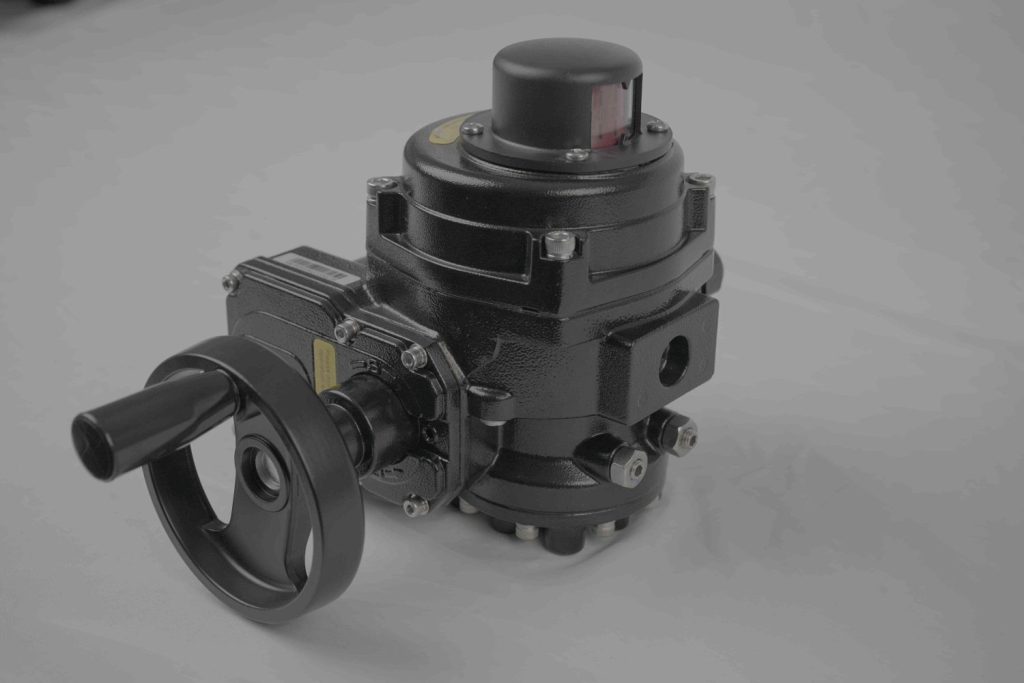
In recent years, lithium-ion batteries have become the cornerstone of modern energy storage and power supply systems. Their applications range from mobile phones to electric vehicles (EVs) and renewable energy storage. However, the widespread use of lithium batteries has also brought concerns about their safety, especially in environments where the risk of explosion and fire is elevated. This is where the explosion-proof lithium battery valve plays a crucial role. As an essential safety component, the explosion-proof lithium battery valve ensures that the battery remains protected against hazardous conditions while maintaining optimal performance.
Understanding Explosion-proof Lithium Battery Valves
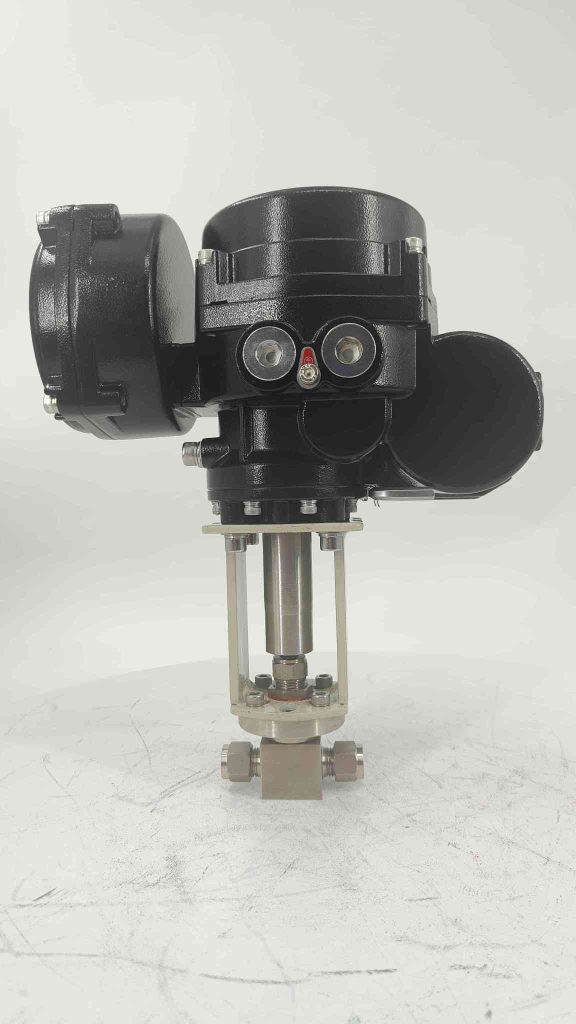
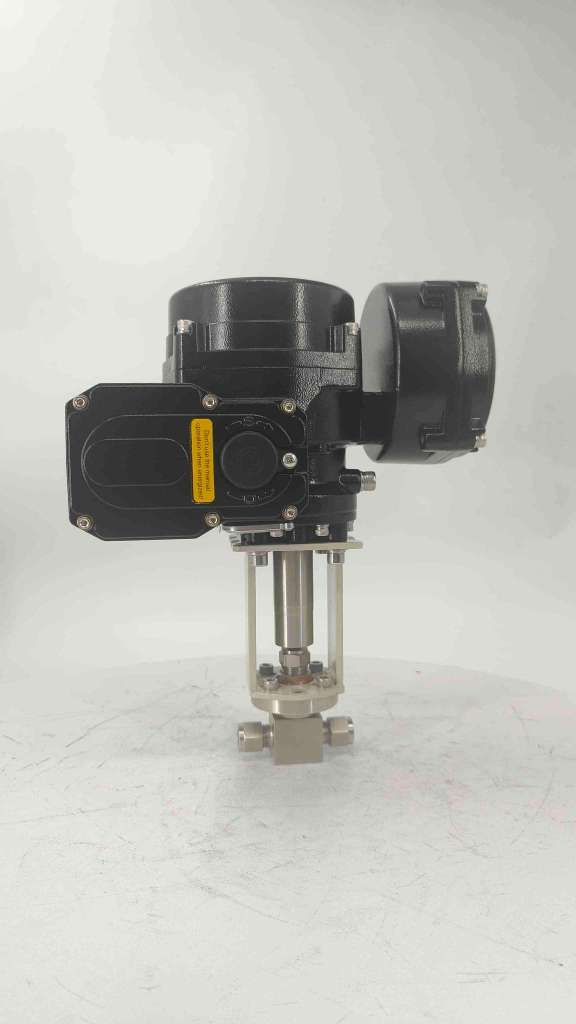
An explosion-proof lithium battery valve is a safety device designed to regulate the internal pressure within lithium-ion batteries. It serves as a protective mechanism that prevents catastrophic events such as thermal runaway, fires, or explosions caused by excessive internal pressure buildup. This valve is primarily used in lithium battery packs or battery management systems (BMS) that are deployed in applications where environmental conditions may lead to dangerous pressure surges. The valve functions by releasing gas from the battery when the internal pressure reaches a certain threshold, thereby preventing rupture or explosion. It works as a pressure relief valve, ensuring that the pressure inside the battery remains within safe limits during both regular operation and in extreme circumstances.