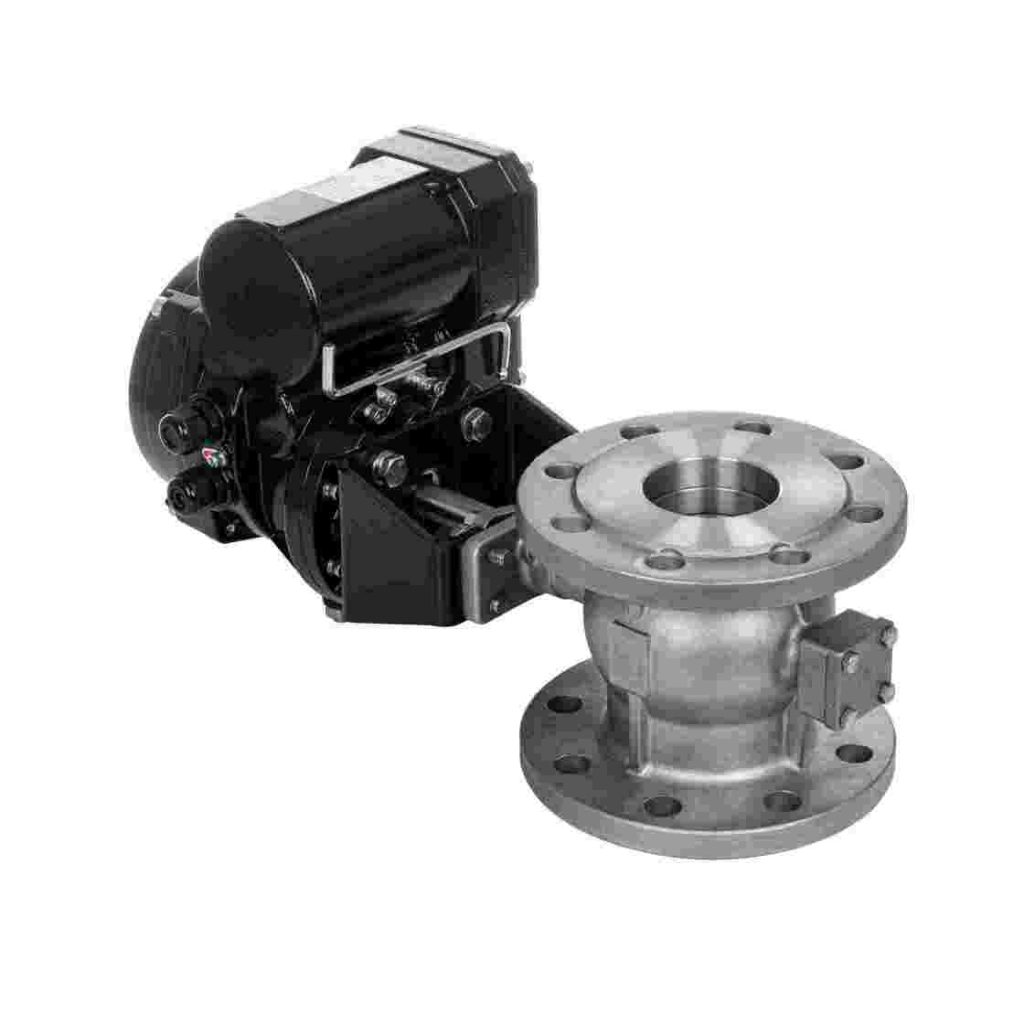
In recent years, industries across the globe have been making strides toward more sustainable and energy-efficient technologies. One such innovation that is gaining traction in various sectors is the lithium battery electric valve. This advanced valve technology, powered by lithium-ion batteries, offers a new, eco-friendly solution for fluid and gas control systems. By combining the advantages of electric valve actuation with the efficiency and longevity of lithium batteries, these systems are proving to be a game-changer in multiple industries, including manufacturing, HVAC (heating, ventilation, and air conditioning), agriculture, and more. This article explores the key features, benefits, and applications of lithium battery electric valves.
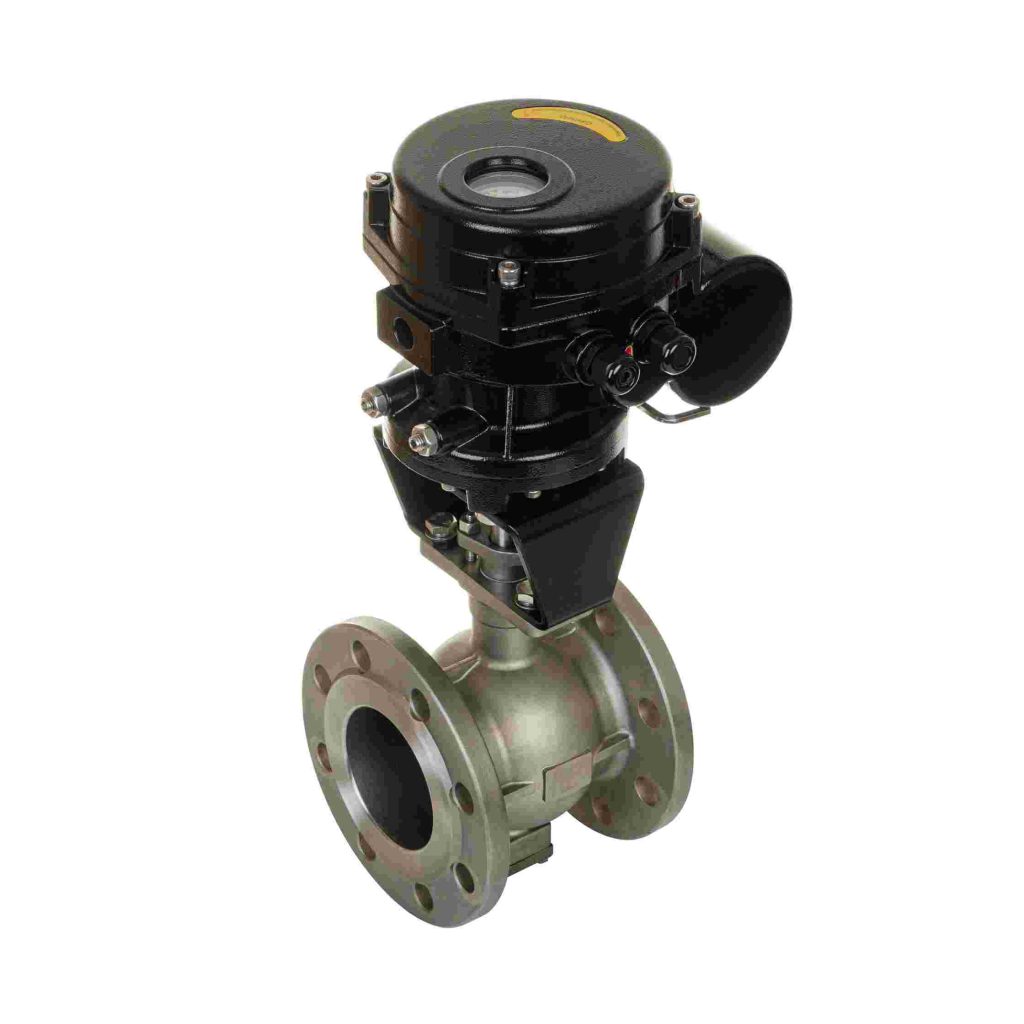
What is a Lithium Battery Electric Valve?
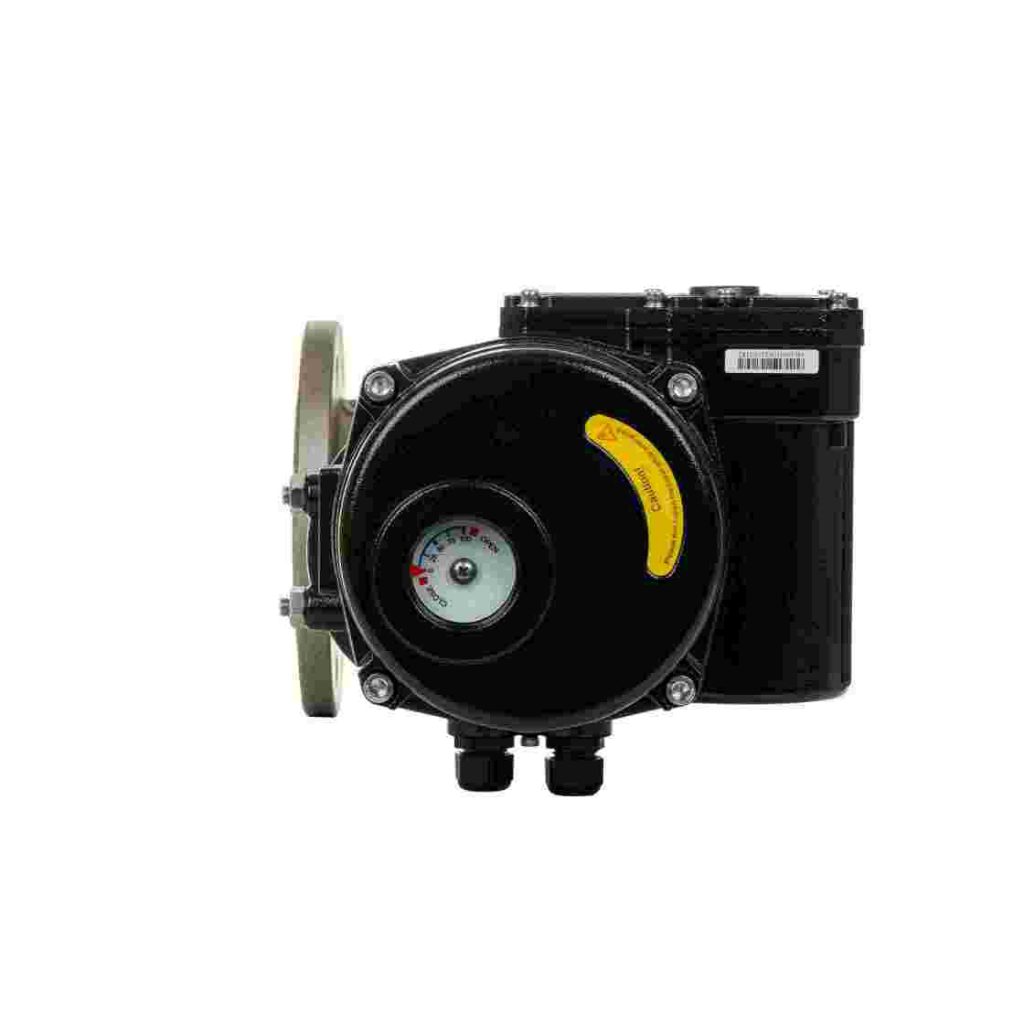
A lithium battery electric valve is a valve that uses an electric actuator powered by a lithium-ion battery to control the flow of liquids, gases, or other materials through pipes or ducts. The actuator is responsible for opening or closing the valve based on signals received from a control system, such as a remote control, programmable logic controller (PLC), or automated system. Lithium-ion batteries are chosen for this purpose because they provide a high energy density, long service life, and relatively quick charging times compared to traditional battery technologies. These valves are typically used in applications where an electric control system is preferred over manual operation, and where the valve needs to operate autonomously without constant external power sources. The lithium battery provides an efficient, reliable, and portable power solution for such systems.