Relay circuit protection plays a crucial role in safeguarding electrical systems and devices from potential hazards such as overloads, short circuits, and voltage fluctuations. By integrating protective relays into the circuit, these systems can automatically detect faults and disconnect the affected components before further damage occurs. This article explores the significance, working principles, and types of relay circuit protection, highlighting their importance in maintaining the safety and reliability of electrical networks.
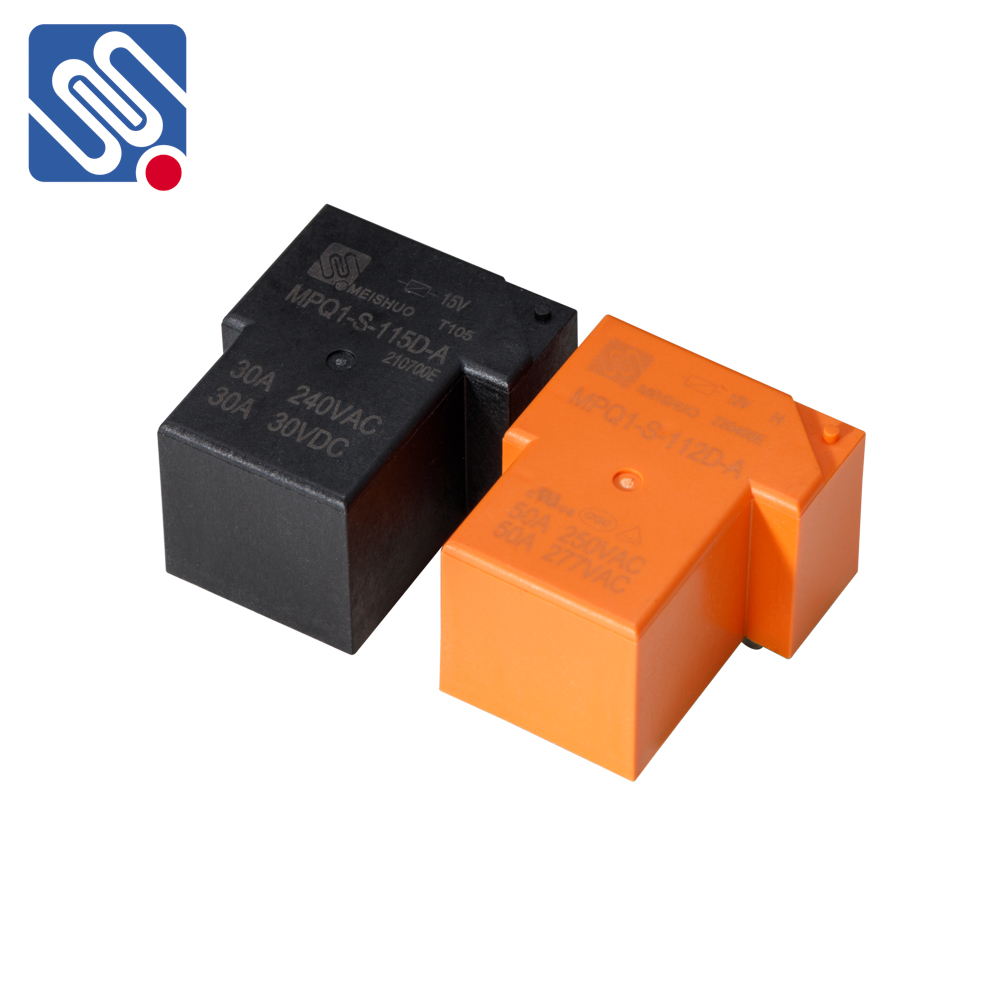
What is Relay Circuit Protection? Relay circuit protection refers to the use of protective relays within an electrical circuit to detect abnormal conditions and automatically isolate the faulty portion of the circuit. Protective relays are electromechanical devices designed to monitor different parameters of the circuit, such as current, voltage, and temperature. When any of these parameters exceed predefined thresholds, the relay activates and triggers a disconnection mechanism, typically a circuit breaker, to stop the flow of electricity. This quick action prevents the system from incurring further damage or posing safety risks.