Relays are integral components in a wide variety of electrical systems, playing crucial roles in automation, protection, and control applications. Whether used in industrial machinery, automotive systems, or telecommunications, relays help manage electrical circuits by opening or closing contacts in response to specific conditions. Given their critical function, the reliability, safety, and compatibility of relays are essential. To ensure these qualities, the relay industry adheres to a set of established standards. These industry standards provide manufacturers, engineers, and consumers with a framework to ensure that relays perform as intended in diverse applications. This article explores the key relay industry standards that govern the design, manufacturing, and testing of relays.
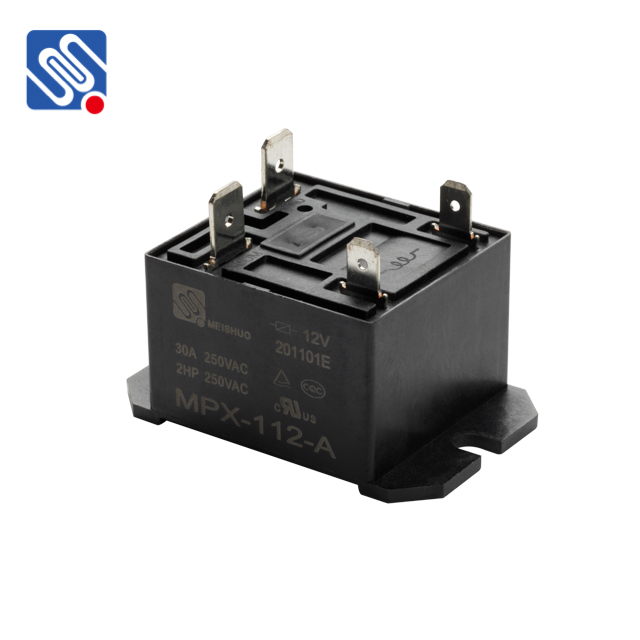
Key Relay Industry Standards IEC Standards (International Electrotechnical Commission) One of the most widely recognized standards bodies, the IEC, develops international standards for electrical and electronic technologies, including relays. The IEC 61810 standard, for example, focuses on electromechanical relays used in electrical control and protection systems. This standard specifies requirements related to the operating characteristics, environmental conditions, and testing procedures for relays. It ensures that the relays perform reliably and safely under normal operating conditions.