In the realm of industrial automation, valves play a critical role in controlling the flow of liquids and gases within process systems. Among the various types of valves, theelectric two-seat regulating valvestands out due to its precise control, reliability, and adaptability. This article delves into the design, functionality, applications, and advantages of electric two-seat regulating valves.
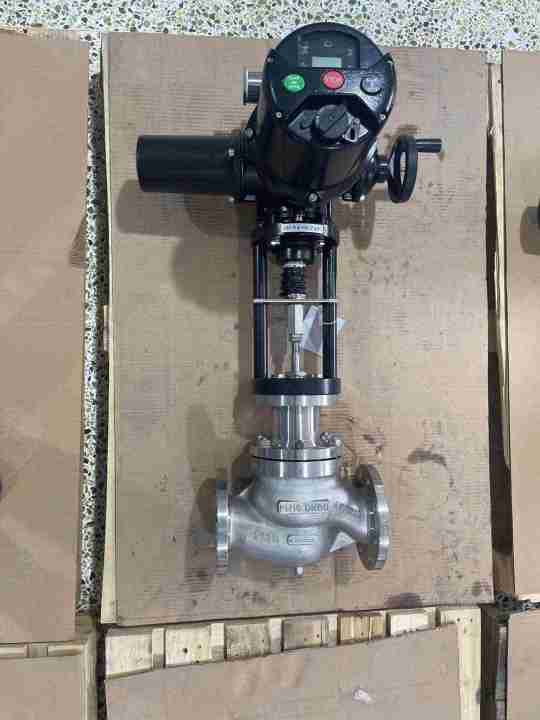
Design and Structure An electric two-seat regulating valve typically consists of two main seats where the flow medium is controlled. The valve is equipped with an actuator, which is powered by electricity, allowing for automated operation. This actuator responds to control signals from a management system or a manual control input, adjusting the position of the valve to regulate the flow rate based on the specific requirements of the process. The valve’s two-seat design is essential as it provides greater control over the flow characteristics compared to single-seat valves. The configuration allows for differential pressure management, enhancing flow stability and minimizing turbulence within the system. These valves are commonly constructed from durable materials such as stainless steel, brass, or other alloys, which ensures their functionality in a range of chemical and environmental conditions.