The Normally Open Solenoid Valve (NOSV) is a key component in numerous industrial applications, playing an essential role in controlling the flow of liquids or gases. It operates based on a relatively simple yet highly effective principle, offering reliable solutions in automation, control systems, and fluid management. This article delves into the working mechanism of the NOSV, its applications, and its advantages.
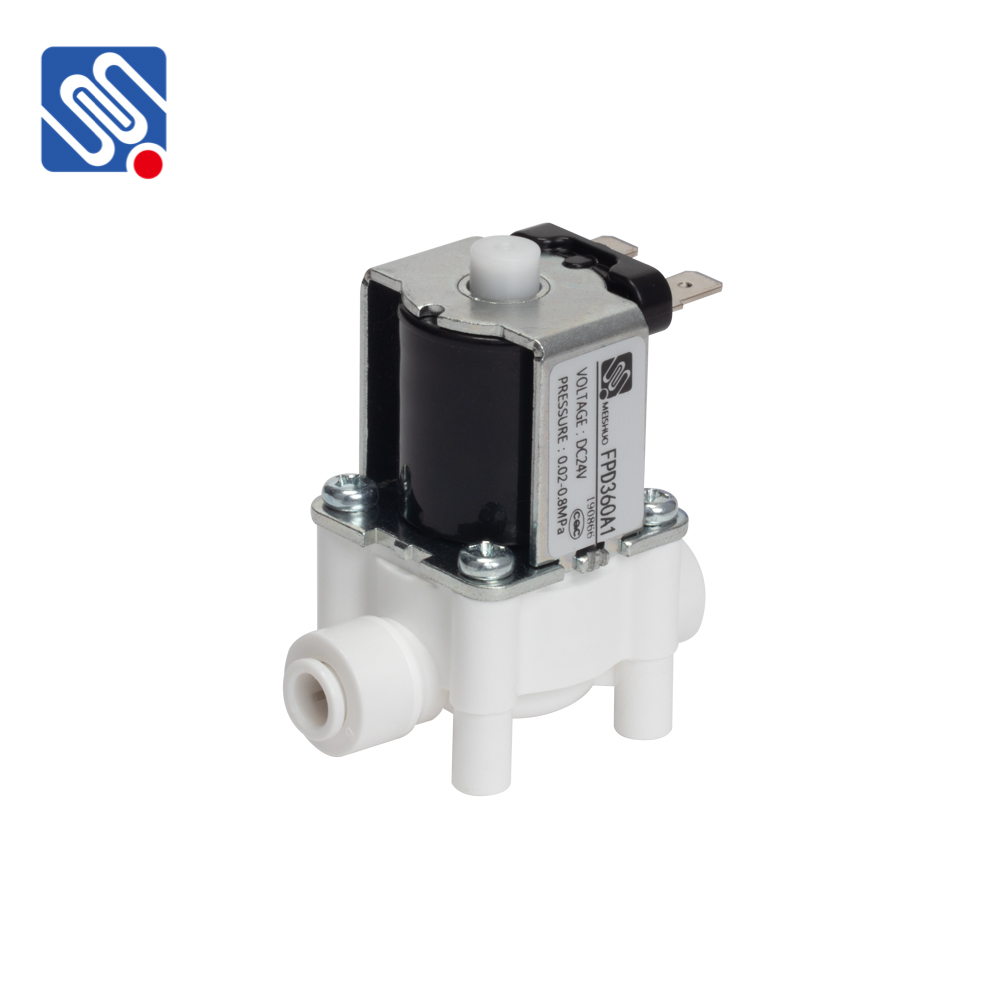
What is a Normally Open Solenoid Valve? A Normally Open Solenoid Valve is an electromechanical device that controls the flow of fluids, such as air, water, or other gases, based on electrical signals. The valve remains open when no electrical current is applied, allowing fluid to pass through. Upon receiving an electrical signal, the solenoid coil generates a magnetic field that moves the valve’s internal mechanism, closing the valve and stopping the flow of fluid. The term “normally open” refers to the default state of the valve — the valve is open when de-energized, and it only closes when the solenoid is energized. This simple functionality is critical in systems where fluid flow needs to be controlled or shut off remotely.