In today’s fast-paced world of automation and control, low voltage solenoid valves have become a crucial component in a variety of industries. These valves offer the reliability, safety, and efficiency required to control fluid or gas flow with high precision. With increasing demands for energy-efficient solutions, low voltage solenoid valves, typically operating at 12V DC, 24V DC, or lower, provide a safer alternative to traditional high-voltage systems. In this article, we will explore the basic functioning, applications, advantages, and key considerations when selecting a low voltage solenoid valve.
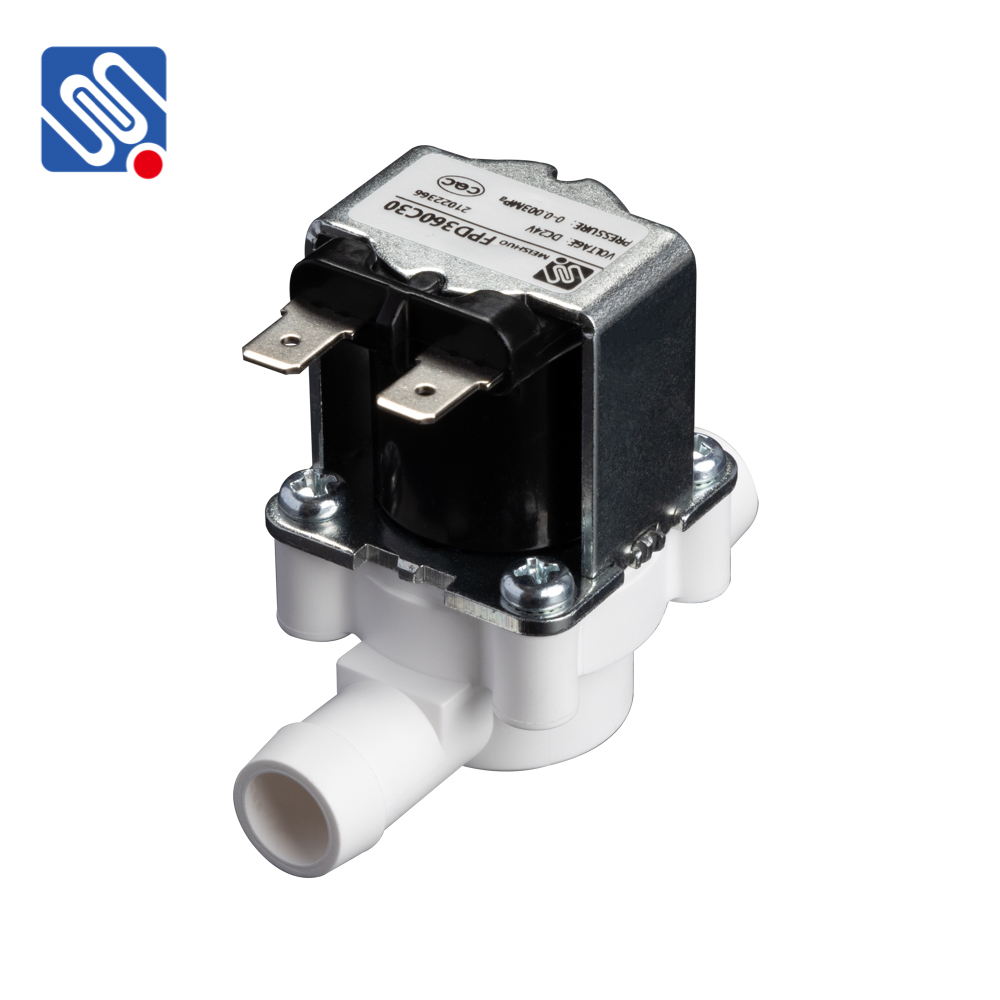
What is a Low Voltage Solenoid Valve? A solenoid valve is an electromechanical device that controls the flow of fluids or gases within a system by using an electromagnetic field. When electrical current passes through a coil, it generates a magnetic field that either opens or closes the valve, regulating the flow of the medium. A low voltage solenoid valve operates at lower voltage levels, typically in the range of 12V to 24V DC, in contrast to higher voltage valves that require AC power or higher DC voltages. The core components of a solenoid valve include the solenoid coil, plunger, spring, and valve body. When power is applied to the coil, the magnetic field it creates moves the plunger, either opening or closing the valve, and allowing or blocking the flow of fluid or gas.