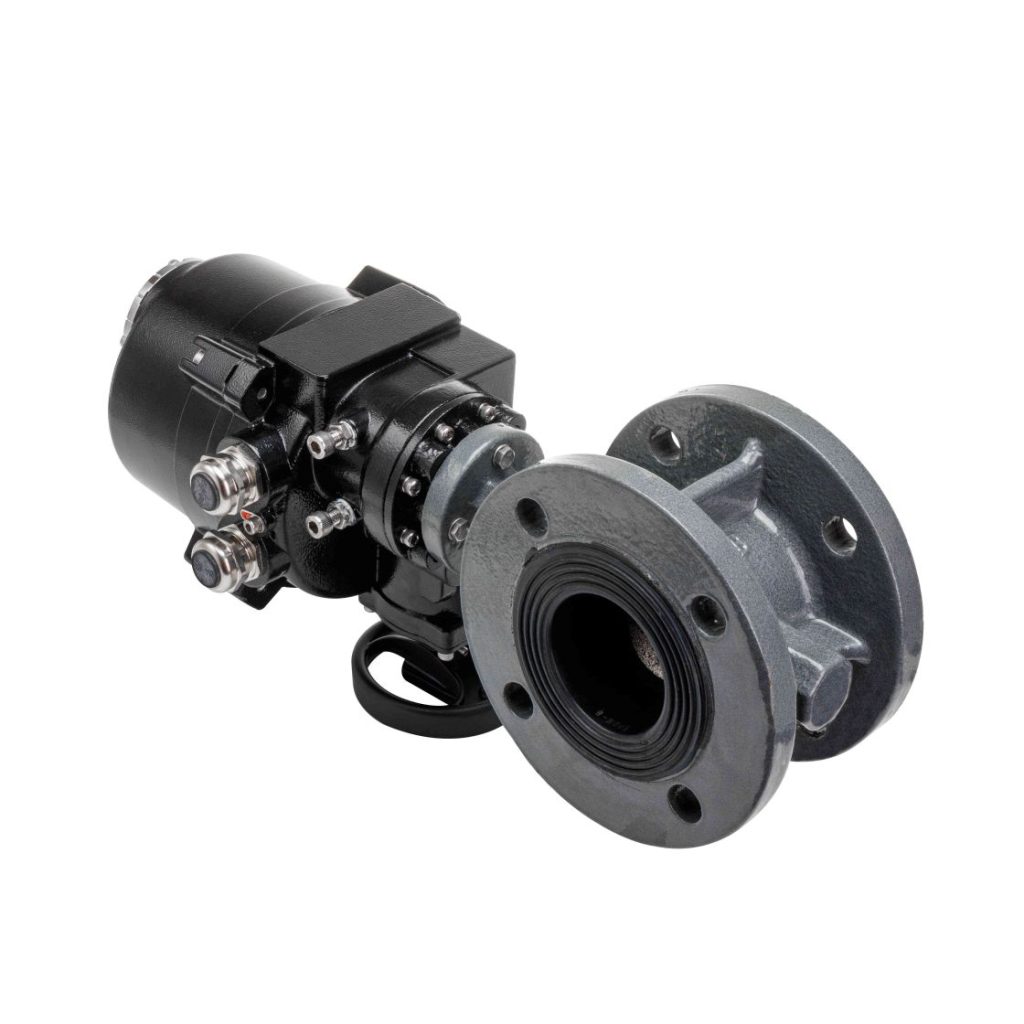
The marine industry, characterized by its complex and demanding operational requirements, relies heavily on specialized equipment to ensure the smooth functioning of vessels. Among the many components that ensure a vessel’s operational efficiency, the Marine Electric Ball Valve stands out as a vital part of various marine systems. From engine rooms to cargo hold ventilation systems, these valves play a crucial role in controlling the flow of liquids and gases, contributing significantly to both operational efficiency and safety.
What is a Marine Electric Ball Valve?
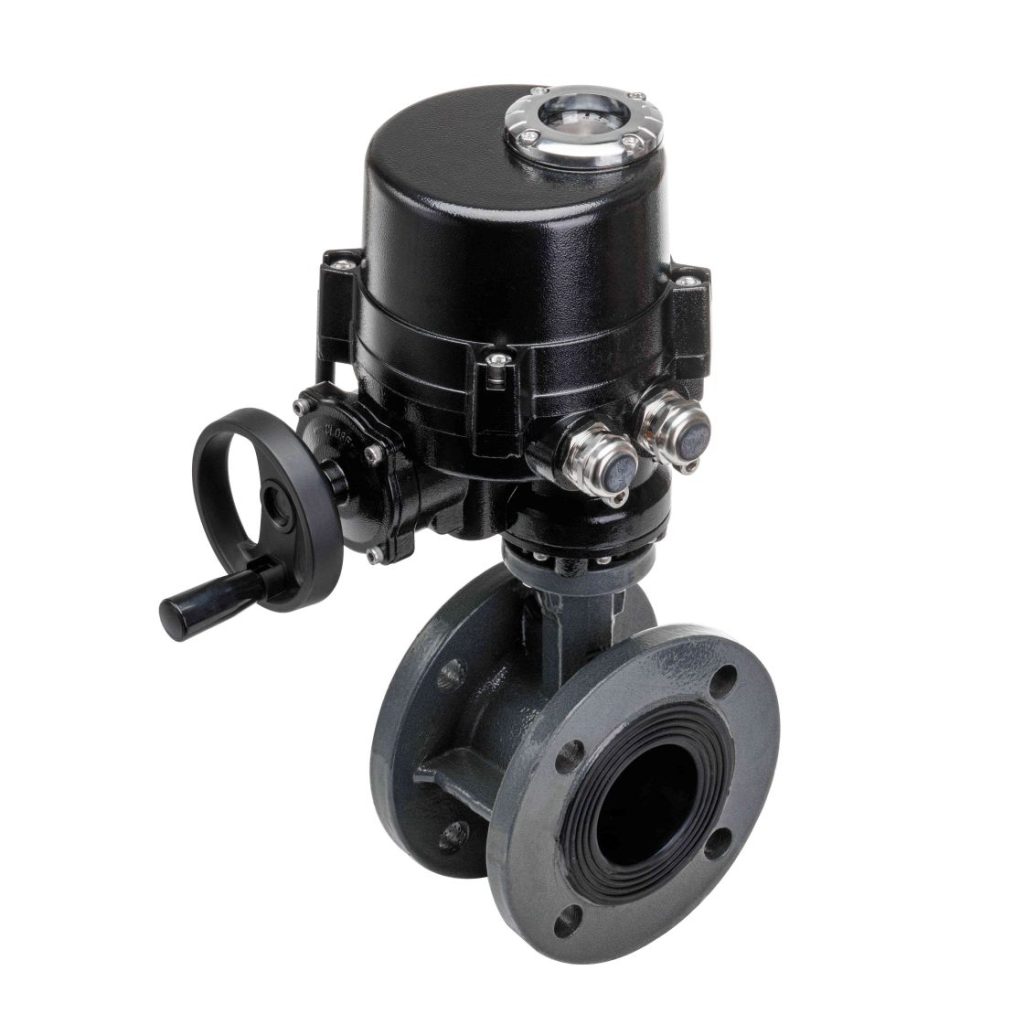
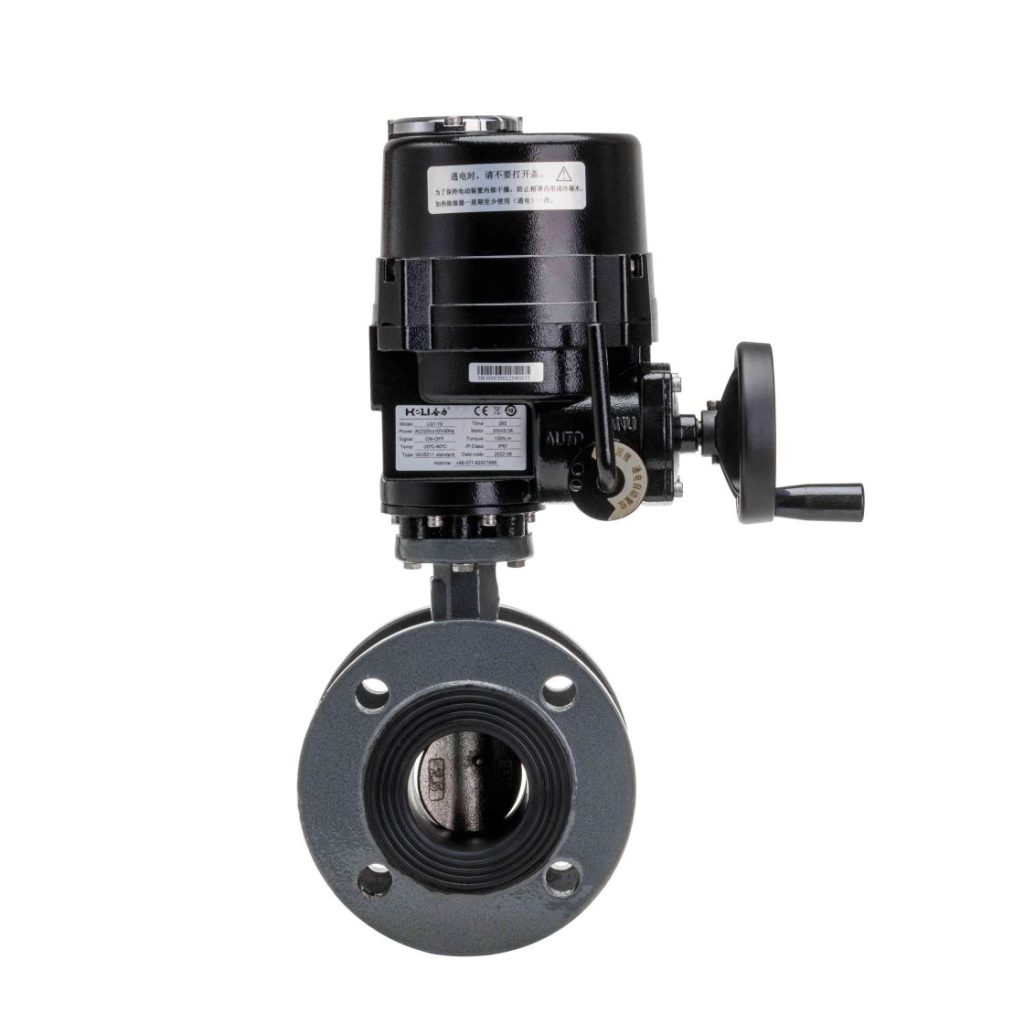
A Marine Electric Ball Valve is a type of valve that uses an electric actuator to operate a ball valve mechanism. The valve consists of a ball with a hole or port through the center, which is rotated by the actuator to control the flow of fluid. Unlike manual valves that require physical effort to open or close, electric ball valves provide more precision, ease of control, and automation, making them highly suitable for marine applications. The electric actuator is powered by the vessel’s electrical system and typically features components like motors, sensors, and controllers that regulate the valve’s opening and closing functions. This mechanism allows the valve to be operated remotely or automatically, which is particularly beneficial for marine operations where accessibility can sometimes be difficult, and efficiency is of the utmost importance.