Relay drive is an essential concept in the world of electrical control systems, allowing small signals to control larger power circuits. Whether it’s in home appliances, industrial automation, or automotive systems, relay drive circuits provide a way to safely control high-power devices with a low-power signal. This article explores the basics of relay drive, how it works, and its various applications in modern technology.
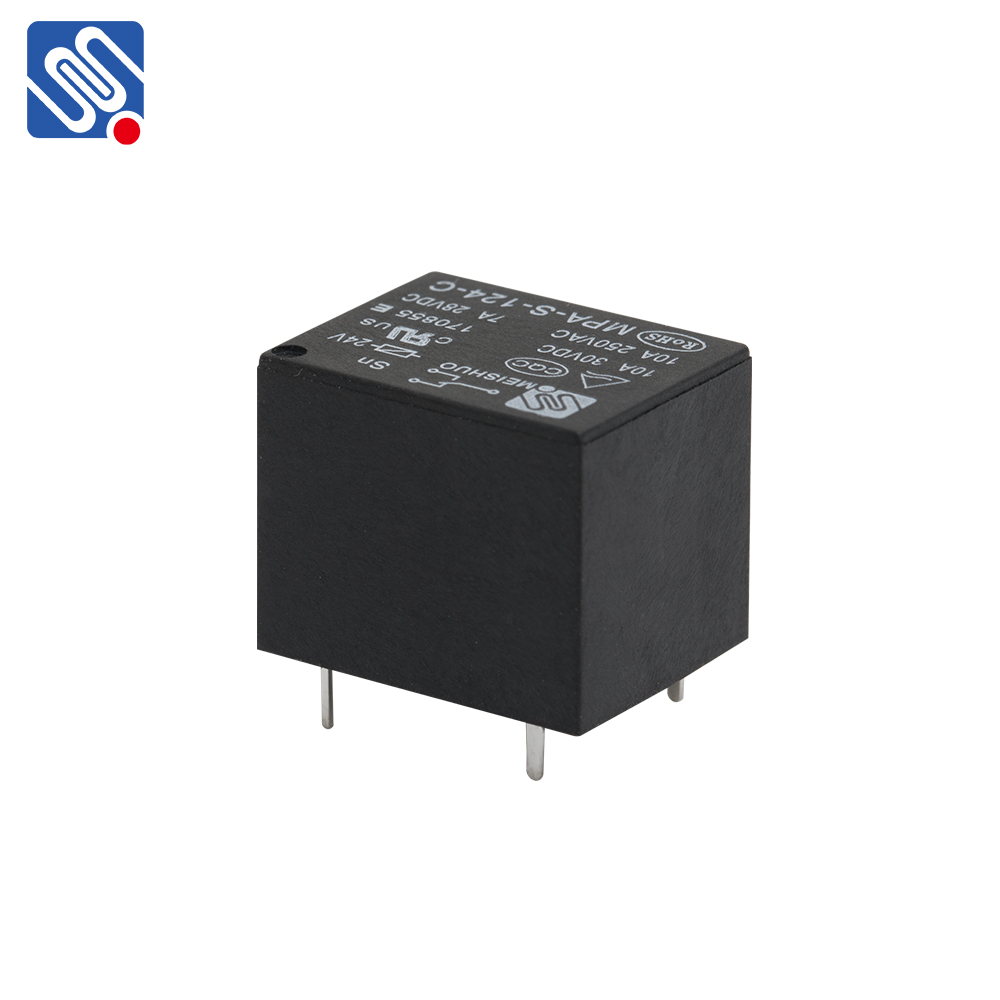
What is a Relay Drive? A relay drive is a control circuit designed to operate a relay, which is an electrically operated switch. A relay allows a low-power input signal, typically from a microcontroller or other control system, to switch higher power circuits on or off. The key advantage of a relay is its ability to electrically isolate the low-power control signal from the high-power load, ensuring safety and protection for sensitive control equipment. Relays typically consist of an electromagnet (the coil), one or more sets of contacts, and a spring. When current flows through the coil, it creates a magnetic field that attracts or repels a metal arm, opening or closing the relay’s contacts. This action enables the relay to control power circuits without direct electrical connection between the low and high-power sections.