AC Solenoid Valves are essential components in modern automation and control systems. They play a crucial role in regulating the flow of liquids, gases, and other fluids in various applications. This article provides a thorough understanding of AC solenoid valves, including their working principles, applications, advantages, disadvantages, and maintenance practices.
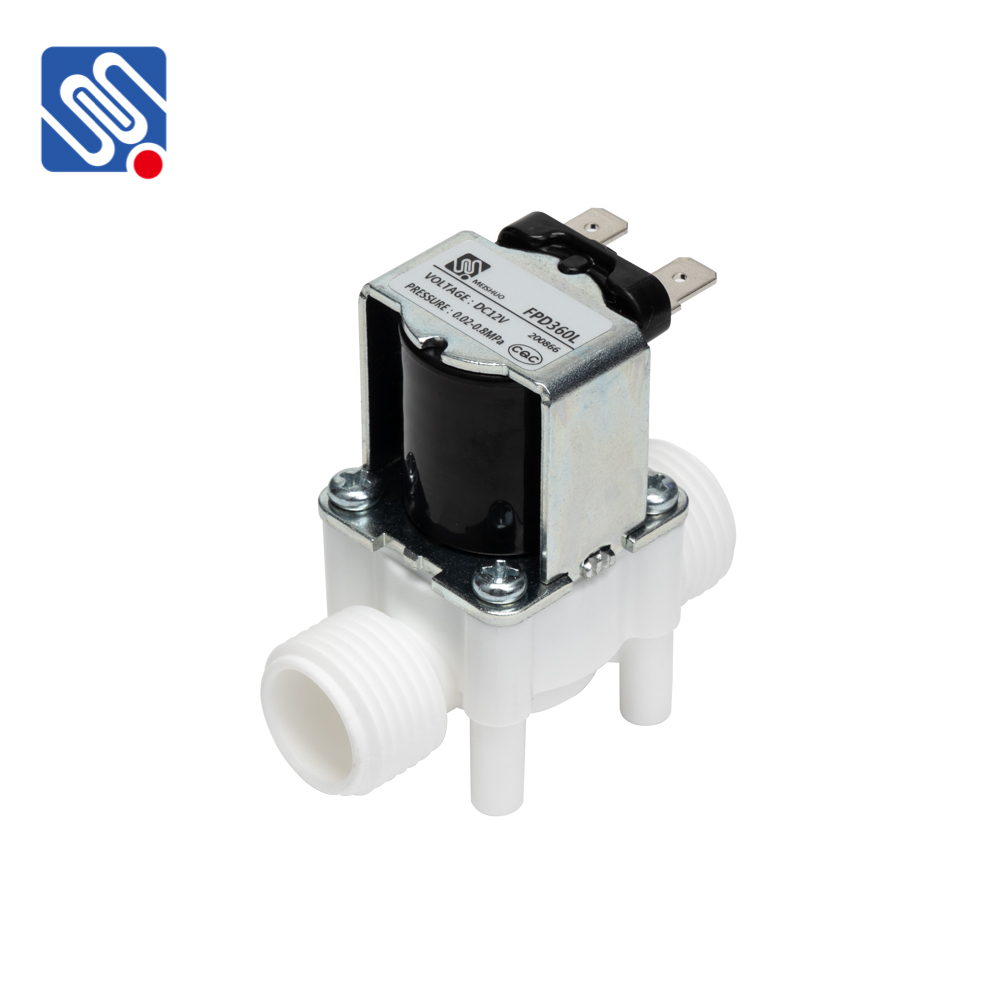
Working Principle The functionality of an AC solenoid valve relies on electromagnetic principles. At its core, the valve consists of an electromagnetic coil, a valve body, and a movable plunger or armature. When alternating current (AC) is supplied to the electromagnetic coil, it generates a magnetic field. This magnetic field attracts the plunger, causing it to move and ultimately opening or closing the valve. In a normally closed solenoid valve, the default position is closed until power is applied, while in a normally open solenoid valve, the valve remains open until power is supplied. This simple mechanism allows for rapid fluid control, which is ideal for applications requiring quick response times.