The High Voltage (HV) Insulation Fault Relay is a critical component in the realm of electrical engineering, particularly in the management of high voltage systems. The importance of maintaining the integrity of electrical insulation cannot be overstated, as failures in this domain can lead to catastrophic consequences, including equipment damage, power outages, and even life-threatening accidents. This article delves into the functionalities, applications, and advantages of HV Insulation Fault Relays, underscoring their role in enhancing safety and reliability in high voltage environments.
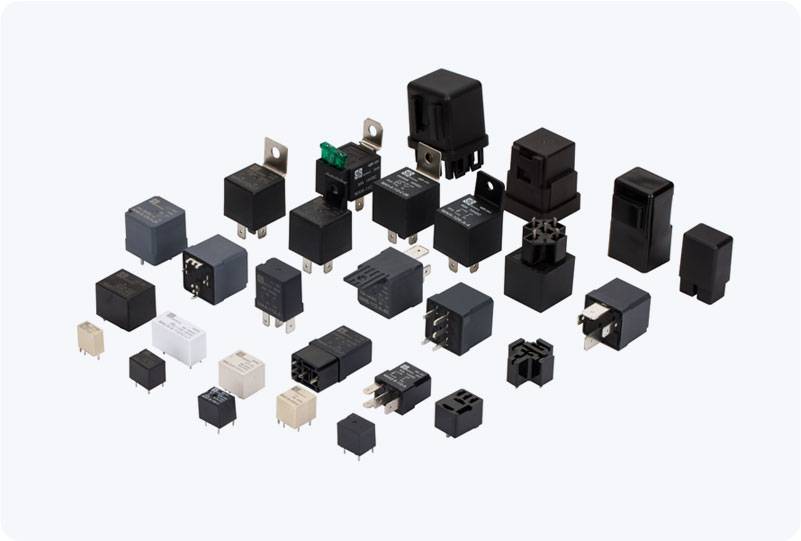
What is HV Insulation Fault Relay? An HV Insulation Fault Relay is a device designed to monitor the insulation resistance of electrical equipment operating at high voltage levels. Its primary function is to detect failures or degradation in insulation, which can signify potential electrical hazards. By continuously measuring the insulation resistance, the relay can provide real-time data and alerts when the insulation degrades beyond acceptable standards. How Does It Work? The working mechanism of an HV Insulation Fault Relay involves several key components. At its core lies a measurement circuit equipped with sensors that apply a predetermined high voltage to the insulation material. The relay measures the resulting current flow, which allows it to calculate the insulation resistance using Ohm’s law.