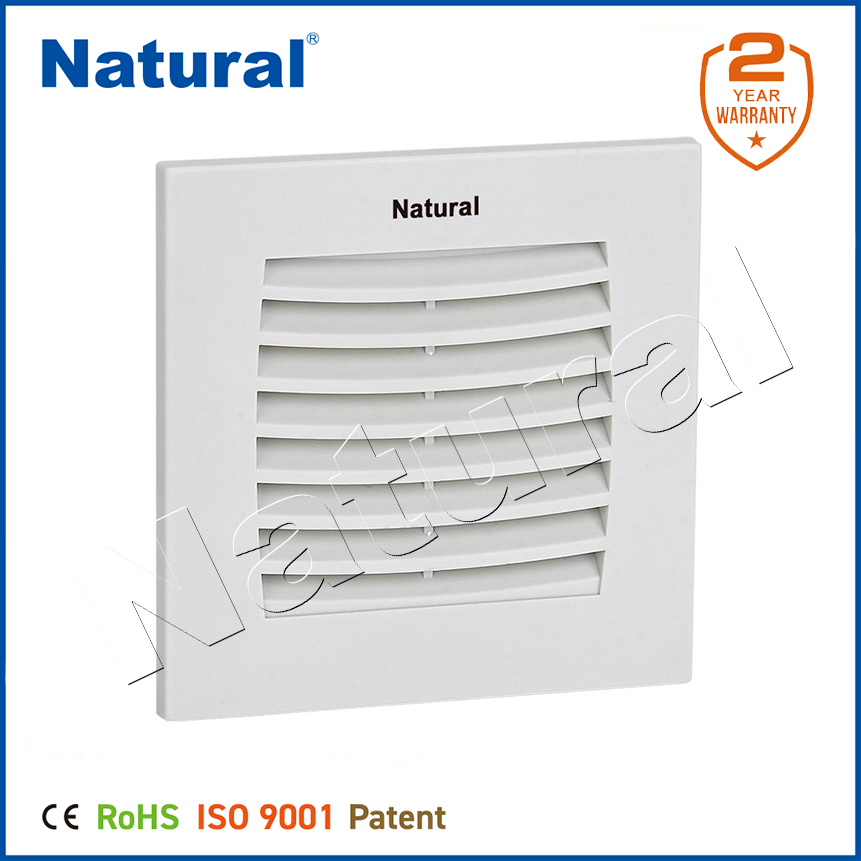
In today’s modern environments, maintaining clean and safe air is more critical than ever. Various industrial sectors, laboratories, and even computing environments require specialized systems to ensure optimal air quality. One such system is the fan filter exhaust, a combination of a fan and a filtration system that works in tandem to filter out contaminants and pollutants from the air. This technology plays a crucial role in maintaining clean air in environments where even the smallest particles or pollutants can cause significant damage or pose health risks.
What is a Fan Filter Exhaust System?
A fan filter exhaust system integrates two essential components: a fan and a filtration unit. The fan is responsible for moving air through the system, while the filter removes dust, particles, and other airborne contaminants. This system can either be used to expel filtered air outside the facility or recirculate it within the same space after it has been cleaned. The typical setup involves a fan drawing in ambient air, pushing it through a filter that captures unwanted particles (such as dust, mold, or smoke), and then discharging the filtered air back into the environment or directly outside. The filters used in these systems can range from simple mechanical filters to high-efficiency particulate air (HEPA) filters, activated carbon filters, or even ultraviolet (UV) sterilization systems, depending on the specific application.