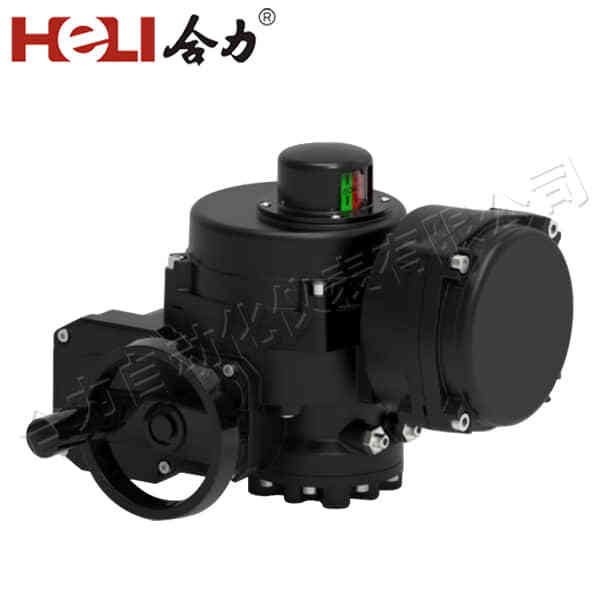
Electric actuators have become essential components in various industrial and commercial applications, significantly transforming the landscape of automation. By converting electrical energy into mechanical motion, electric actuators offer solutions for controlling machines and systems with high precision and efficiency. This article delves into the mechanisms, types, advantages, and applications of electric actuators, highlighting their critical role in contemporary technology.
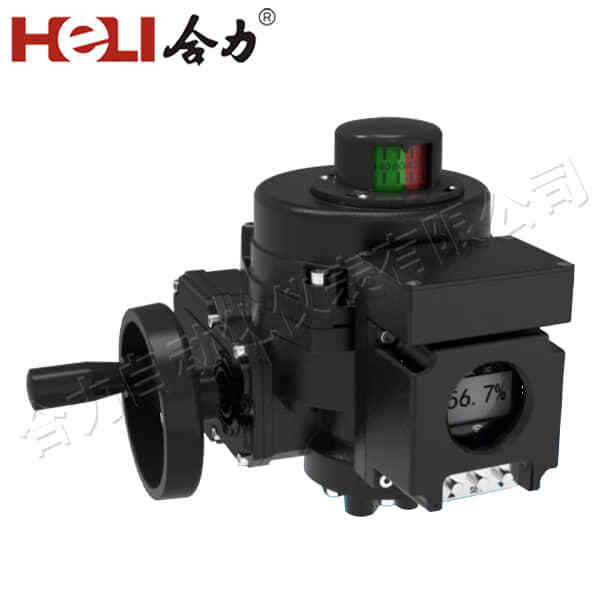
Mechanisms of Electric Actuators
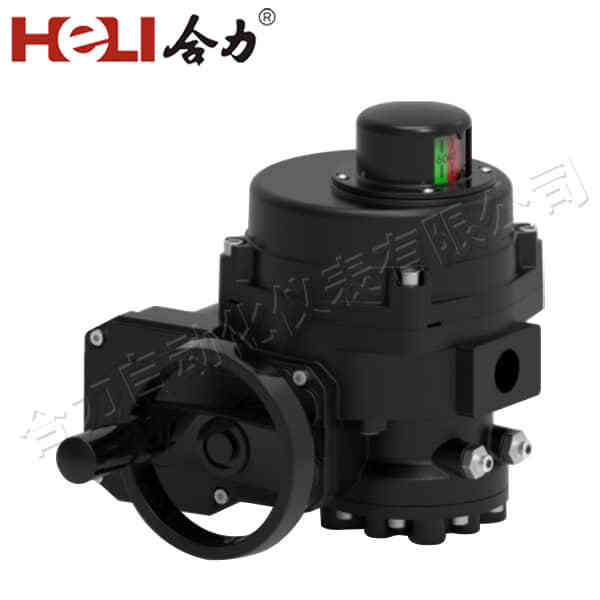
At their core, electric actuators operate on a simple principle: they convert electrical energy into mechanical energy. This transformation involves several key components, including the electric motor, gears, and control systems. The electric motor is the heart of the actuator, where electricity flows through the windings, generating a magnetic field that creates rotational motion. This motion is then transmitted to a load through mechanical elements, allowing the actuator to perform various tasks. The performance of an electric actuator relies heavily on its design. Many electric actuators incorporate gears to reduce the speed of the motor while increasing its torque, enabling them to move heavier loads with precision. Control systems, often equipped with feedback mechanisms such as encoders or sensors, continuously monitor the actuator’s performance, ensuring accurate positioning and speed regulation.