Relay testing plays a pivotal role in the safe and efficient operation of electrical systems. In power distribution and control circuits, relays act as safety mechanisms, protecting equipment and systems from damage due to overloads, faults, or other irregularities. Given the critical nature of these components, ensuring their proper functioning through regular relay testing is paramount for system reliability and performance.
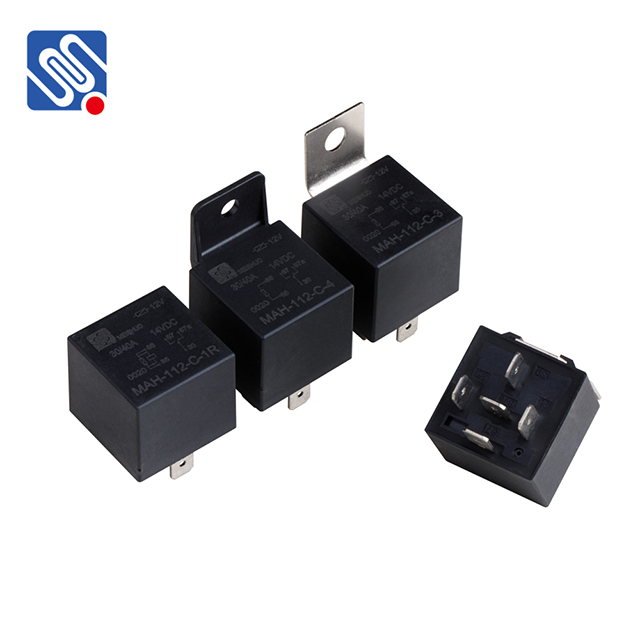
What is Relay Testing? Relay testing involves the process of verifying the functionality and accuracy of electrical relays, which are used to automatically control electrical circuits. Relays are designed to operate based on certain parameters like current, voltage, frequency, or power, and they trigger specific actions such as turning on or off switches or activating alarms. Relay testing ensures that these devices perform their intended functions correctly under varying operational conditions. Importance of Relay Testing Relays serve as the “first line of defense” in an electrical system. They help to isolate faulty sections of a system, preventing widespread damage to equipment and reducing downtime. For instance, in industrial machinery, a relay may disconnect a motor in case of overload to prevent damage. In power plants, relays safeguard transformers and generators by detecting faults such as short circuits, overheating, or voltage irregularities.