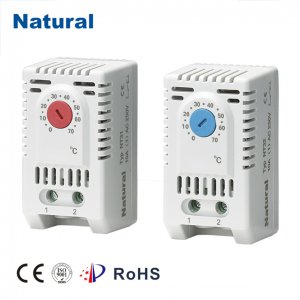
An adjustable mechanical thermostat is a simple yet crucial device in regulating temperature in homes, offices, and industrial spaces. Known for its durability and reliability, this type of thermostat allows users to control their environment efficiently, offering a wide range of benefits. In this article, we will explore the workings, advantages, and practical applications of adjustable mechanical thermostats, shedding light on why they remain a popular choice despite the rise of digital and smart technologies.
What Is an Adjustable Mechanical Thermostat?
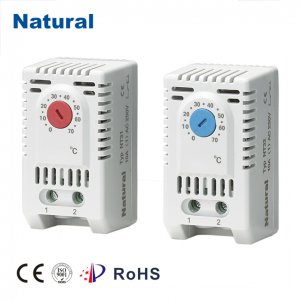
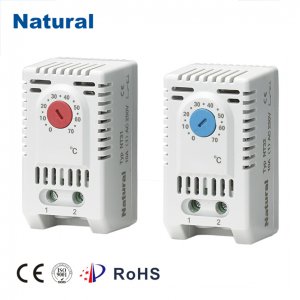
An adjustable mechanical thermostat is a temperature control device that uses a mechanical sensor to regulate heating and cooling systems in a building. Unlike digital or smart thermostats, it operates using basic mechanical components such as a metal strip, bimetallic coil, or a spring-loaded element. These components respond to temperature changes, expanding or contracting to activate or deactivate the heating or cooling system. Typically, the thermostat features a dial or lever that allows users to manually adjust the desired temperature. When the temperature inside the room rises or falls beyond the set point, the thermostat triggers the system to either turn on or off, ensuring the indoor climate remains comfortable.