Electrical safety is a critical component of workplace management, particularly in industries that deal with high-powered equipment and complex electrical systems. One of the most important safety practices for preventing electrical accidents is the use of electrical equipment lockout devices. These devices are designed to isolate and secure electrical energy sources to ensure that machinery and equipment cannot be accidentally activated during maintenance or repair. In this article, we will explore the role of electrical equipment lockouts suppliers and highlight key factors to consider when selecting the right lockout products for your workplace.
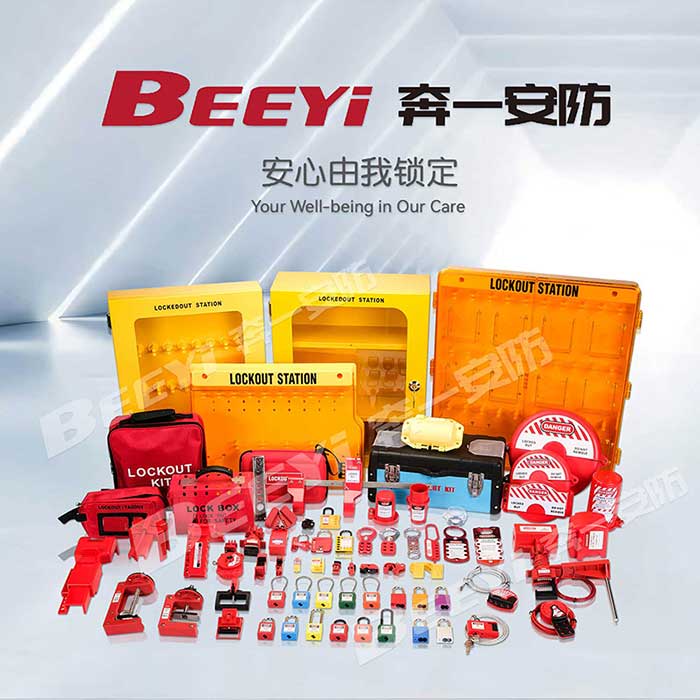
Understanding Electrical Equipment Lockouts Electrical equipment lockouts are tools used to lock and secure electrical systems, preventing accidental activation during maintenance work. These devices are essential for ensuring the safety of workers, especially when dealing with high-voltage equipment or circuits that can be potentially hazardous. Lockout devices include a variety of equipment, such as lockout hasps, breaker lockouts, and padlocks, all designed to physically block the electrical equipment’s functionality until it is safe for workers to perform maintenance or repairs. The importance of using lockout devices cannot be overstated. According to safety regulations, such as those outlined by the Occupational Safety and Health Administration (OSHA) and the American National Standards Institute (ANSI), employers must implement effective lockout/tagout (LOTO) procedures to prevent unexpected machine startups, which could lead to serious injuries or fatalities. Electrical lockout devices help businesses comply with these standards and create safer working environments.