Automotive relays play a pivotal role in the modern vehicle’s electrical system, acting as switches that control high-current circuits with low-power signals. Among the various elements that make up a relay, the coil is a central component. The coil’s specifications determine the relay’s efficiency, reliability, and ability to operate under the challenging conditions of an automotive environment. In this article, we will discuss the key considerations regarding automotive relay coil specifications and how they impact relay performance.
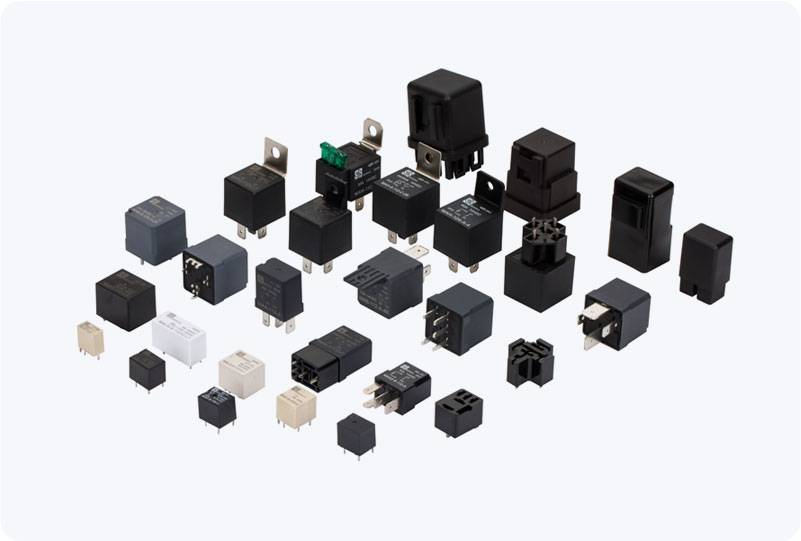
1. Coil Voltage: The Activation Trigger The coil voltage is one of the most critical specifications of an automotive relay. It refers to the voltage required to activate the relay, which then allows current to flow through the connected circuits. In the automotive industry, most relays are designed for either 12V DC or 24V DC operation. 12V DC is the standard voltage for most passenger vehicles, while 24V DC is typically used for larger commercial vehicles like trucks and buses. A properly chosen coil voltage ensures that the relay operates effectively, providing a reliable means of controlling high-power circuits using low-power control signals.