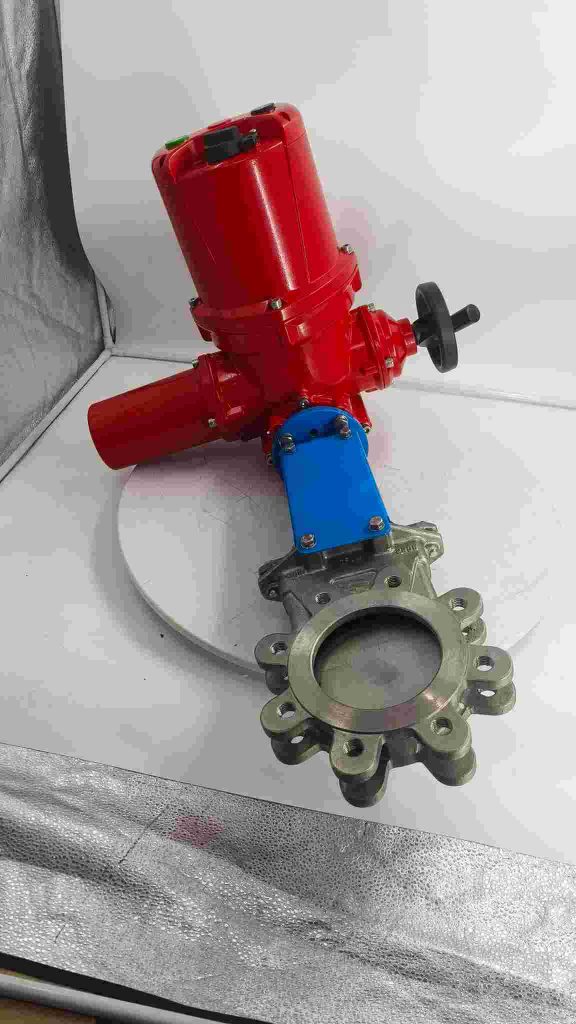
The electric gate valve, an essential component in modern fluid control systems, has become a cornerstone in industries ranging from oil and gas to water treatment and chemical processing. By combining the precision of electric actuators with the reliability of gate valves, these systems provide an efficient, automated solution for controlling the flow of various fluids. In this article, we’ll explore the fundamentals of electric gate valves, their applications, and the advantages they offer.
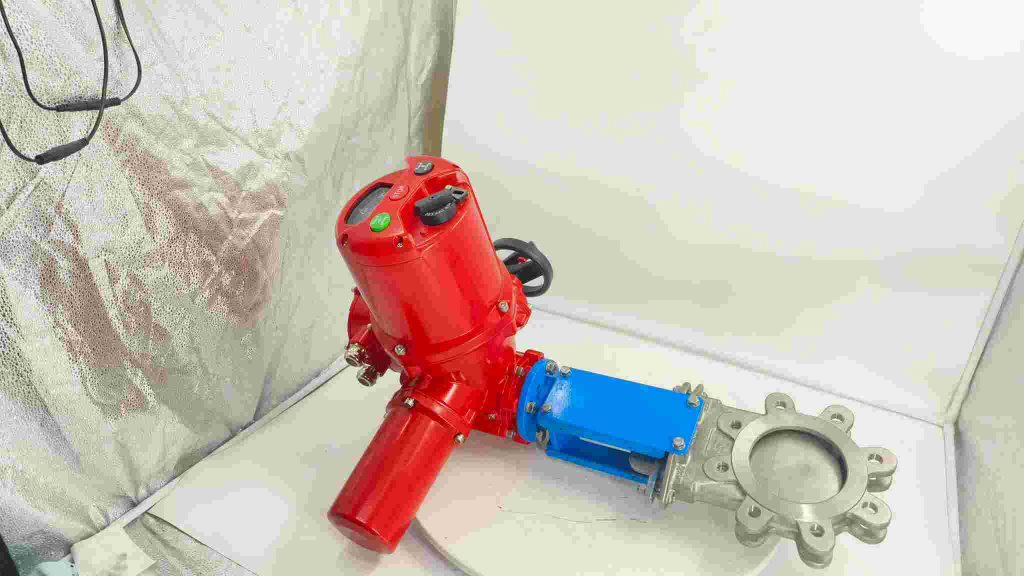
What is an Electric Gate Valve?
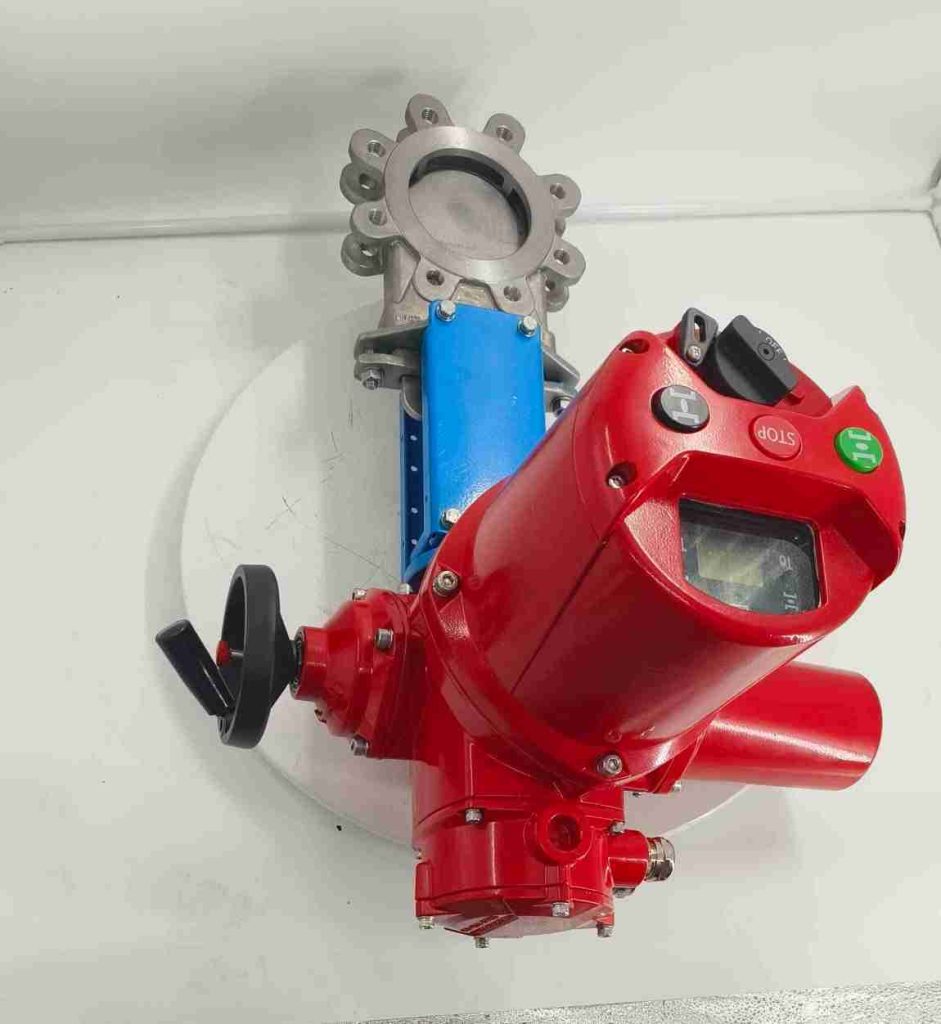
An electric gate valve is a type of valve that utilizes an electric actuator to control the opening and closing of the valve’s gate. The actuator, powered by electricity, drives the mechanical movement that raises or lowers the gate, thereby regulating the flow of fluid through the pipeline. Unlike other types of valves, such as ball or globe valves, which rely on rotary motion, the gate valve uses linear motion to either allow or block the flow. This makes it particularly suitable for on/off applications. The key component that distinguishes electric gate valves from manual or pneumatic ones is the electric actuator. This actuator can be controlled remotely through a control system, which provides operators with precise control over the valve’s position, eliminating the need for manual operation. This automation is particularly valuable in environments where safety, accuracy, and efficiency are critical.