The electric two-seat regulating valve is a critical component in modern industrial systems where precise control of fluid flow is essential. This type of valve combines the robust performance of a two-seat design with the advanced capabilities of electric actuation, making it suitable for a wide range of applications, from chemical processing to HVAC systems. In this article, we will explore the structure, working principle, benefits, and applications of electric two-seat regulating valves.
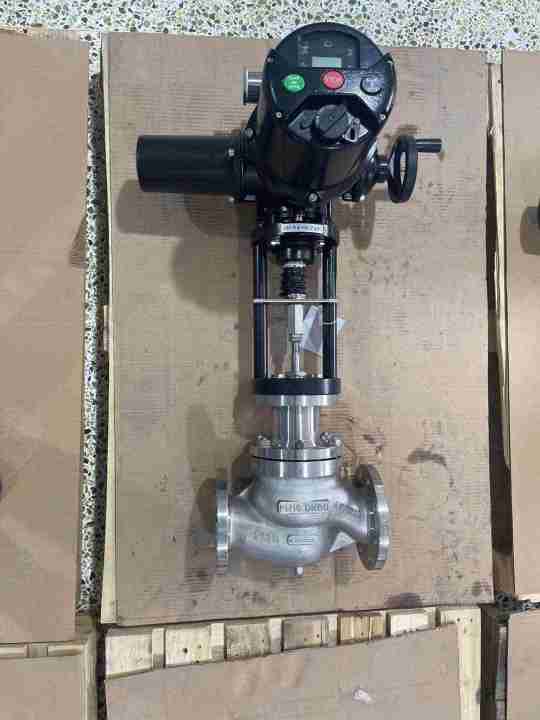
Structure and Working Principle An electric two-seat regulating valve consists of several key components: the valve body, two seats, an electric actuator, and the control system. The two seats are the primary sealing elements in the valve, which help regulate the flow of fluid through the valve. When the valve is closed, these seats provide a tight seal to prevent leakage, ensuring efficient control of the fluid flow when the valve is in operation. The electric actuator is the heart of the valve’s control mechanism. It receives signals from a process control system, typically in the form of 4-20 mA signals or digital communication protocols such as Modbus, and adjusts the position of the valve accordingly. The actuator precisely moves the valve’s plug, which in turn regulates the opening and closing of the two seats. This allows for fine-tuned control of the flow rate and pressure, ensuring that the system operates within desired parameters.