In industrial settings, safety is a paramount concern, particularly when it comes to machinery maintenance and repair. The Lockout-Tagout (LOTO) procedure, a safety protocol designed to prevent accidental injuries from the unexpected release of hazardous energy, has been a key regulatory standard in many countries. As an integral part of this protocol, LOTOTO locks play a crucial role in ensuring that workers are not exposed to unnecessary risks while performing maintenance or repair tasks. This article will explore the significance of LOTOTO locks, how they work, their benefits, and why they are essential for workplace safety.
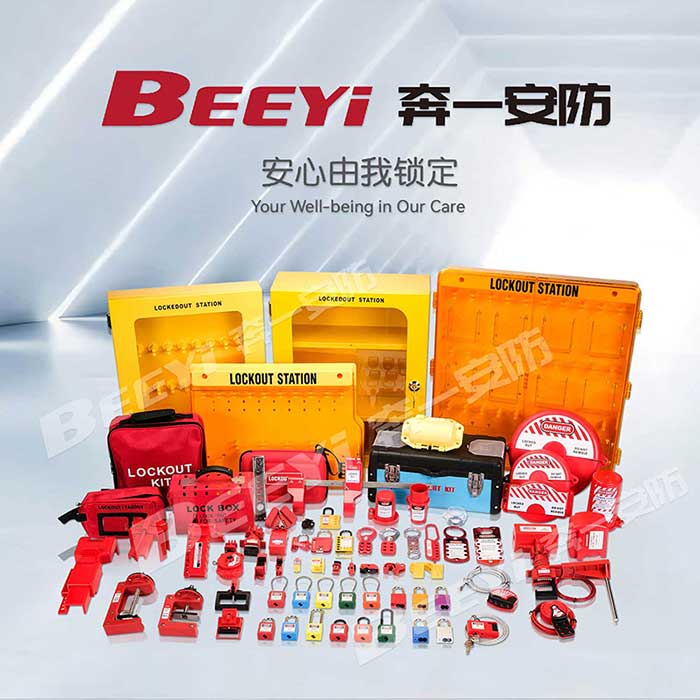
What Are LOTOTO Locks? LOTOTO locks, also known as lockout/tagout locks, are specialized security devices used during the lockout-tagout procedure. Their primary function is to isolate and secure equipment, preventing the accidental release of energy—whether electrical, mechanical, hydraulic, or pneumatic—while a worker performs maintenance or servicing tasks. These locks are used in combination with lockout devices like hasps, circuit breaker locks, and valve lockouts to ensure that machinery remains de-energized and safe. LOTOTO locks typically come in the form of padlocks made from materials such as stainless steel, plastic, or aluminum. They are designed to withstand the wear and tear of industrial environments, with features that prevent tampering or accidental removal. They can be keyed differently (each worker has their own key) or keyed alike (multiple locks can be opened with the same key), depending on the specific needs of the workplace.