In industries where equipment and machinery pose significant risks to worker safety, the implementation of strict safety protocols is crucial. One such tool that has gained traction in ensuring safety during maintenance, repair, or cleaning operations is the Lockout Bag application. Designed to prevent unexpected machine starts or releases of hazardous energy, the Lockout Bag plays a pivotal role in safeguarding workers from injuries and ensuring compliance with safety standards. This article explores the significance, usage, and benefits of the Lockout Bag application, highlighting its importance in creating a safer working environment.
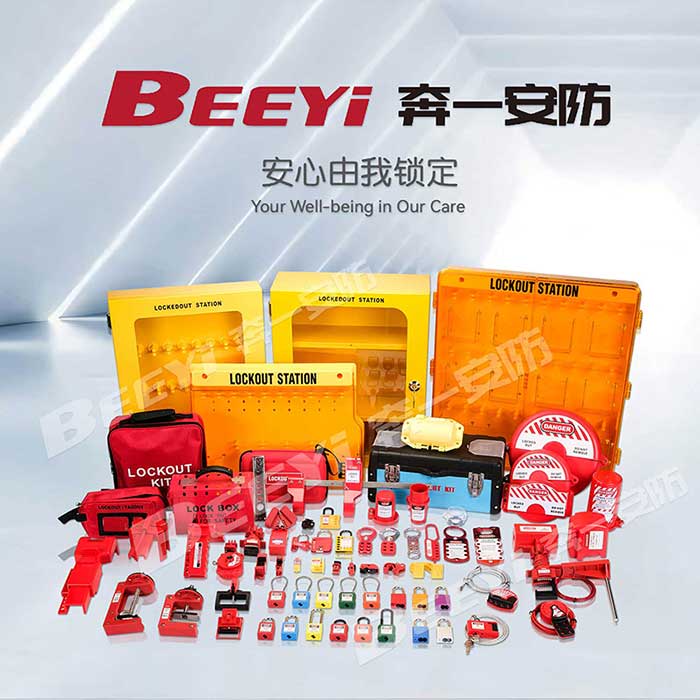
Understanding the Lockout Bag Application The Lockout Bag is an essential tool used in lockout/tagout (LOTO) procedures, a system of safety protocols designed to protect workers from accidents caused by the unexpected release of hazardous energy during maintenance activities. These procedures are standard in industries like manufacturing, construction, utilities, and other high-risk sectors. The Lockout Bag is typically a durable, tamper-proof bag designed to securely store lockout devices such as padlocks, keys, tags, and other necessary components required for a lockout procedure. In essence, the Lockout Bag application goes beyond just physical storage; it serves as an organized and efficient method for ensuring that all necessary lockout devices are readily available when needed. With its distinct design, it helps maintain compliance with Occupational Safety and Health Administration (OSHA) regulations by ensuring that all energy sources are effectively isolated, preventing the accidental energization of machines or equipment during maintenance.