Relay functional testing is a critical aspect of ensuring the reliability and efficiency of relay-based systems, which are widely used in both hardware and software environments. Relays act as intermediaries that facilitate communication, whether it is transmitting electrical signals in hardware systems or managing data flow in software applications. For systems relying on relays, functional testing plays a vital role in identifying issues and ensuring smooth operation under varying conditions. This article explores the key components of relay functional testing, its significance, and best practices to ensure that relays perform as intended in diverse scenarios.
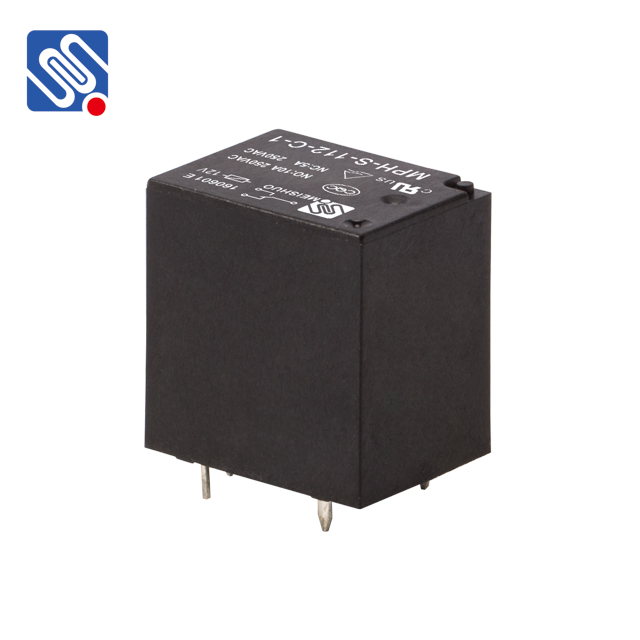
What is Relay Functional Testing? Relay functional testing refers to the process of verifying the functionality of relay components within a system, be it for hardware (like electromechanical or solid-state relays) or software (such as message-passing or event-driven architectures). The goal of functional testing is to ensure that the relay fulfills its intended role: enabling efficient data transmission, responding to events, and interacting with other components reliably. For hardware relays, functional testing involves verifying the operational characteristics of the relay, such as its switching behavior, response times, and the integrity of the signal transmission. In the case of software relays, functional testing may focus on ensuring correct message routing, event processing, and system resilience under different conditions.