Relays are crucial components in electrical circuits, acting as electromechanical switches that control the flow of electricity. They are widely used in industrial automation, automotive systems, and consumer electronics. However, like any mechanical or electrical device, relays have a limited lifespan, influenced by several factors. Understanding relay lifespan is essential for ensuring the longevity and reliability of systems that depend on them. In this article, we will explore the different aspects of relay lifespan, including mechanical and electrical life, the factors that affect their durability, and how to optimize their performance.
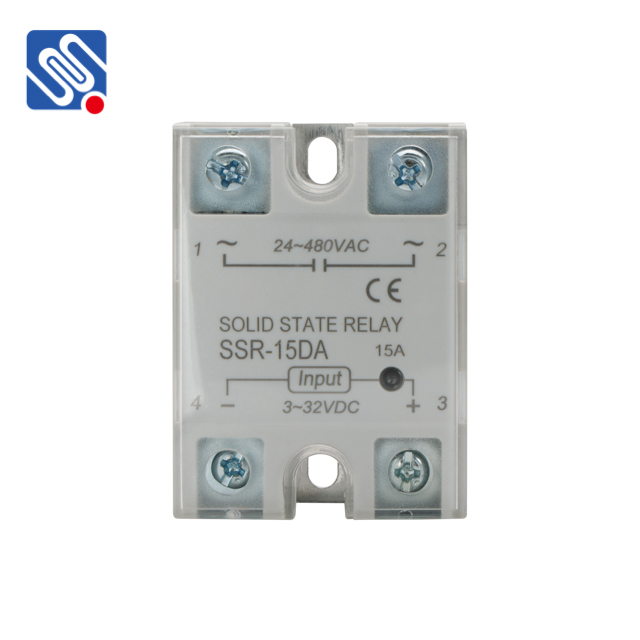
Mechanical vs. Electrical Lifespan Relay lifespan can be broadly classified into two categories: mechanical lifespan and electrical lifespan. Each of these lifespans reflects different aspects of the relay’s operation. Mechanical Lifespan Mechanical lifespan refers to the number of times a relay can operate without any electrical load. It focuses on the mechanical components, such as the moving armature and the spring, which open and close the contacts. The mechanical lifespan is typically much longer than the electrical lifespan because it is not influenced by electrical current or voltage.