Relays are integral components in electrical circuits, acting as switches that enable the control of higher voltage or current circuits with a lower voltage or current signal. The specifications of relays can vary widely, depending on the type, application, and requirements of the system they are designed to serve. Understanding these specifications is essential for selecting the right relay for a specific application, ensuring reliability, longevity, and optimal performance. This article explores the key specifications of relays and compares different types based on their characteristics and uses.
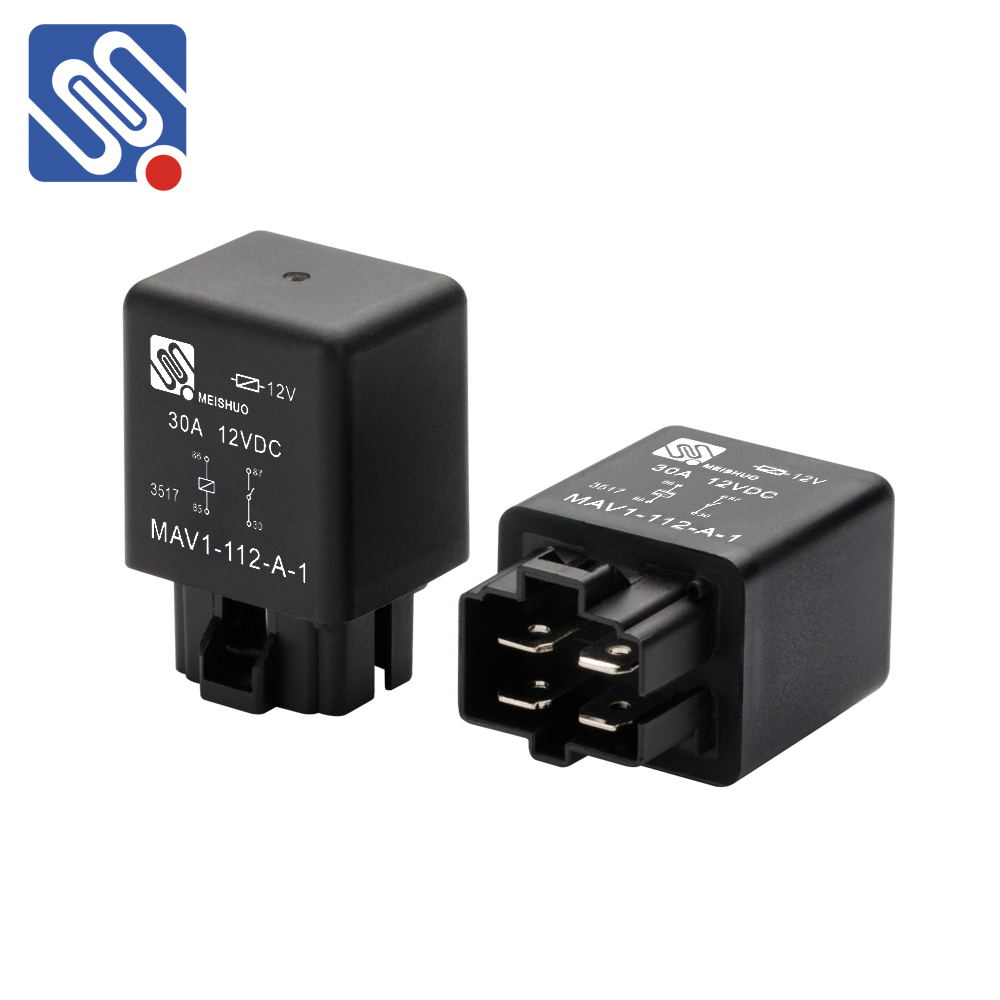
1. Coil Voltage and Rated Current One of the most important specifications to consider when choosing a relay is the coil voltage, which refers to the voltage required to activate the relay. The coil voltage must match the control voltage provided by the control circuit. It is crucial to ensure that the relay is compatible with the system’s voltage to avoid malfunction or failure. The rated current indicates the maximum current that the relay’s contacts can handle without risk of damage. This value is crucial because selecting a relay with too low a current rating can lead to overheating, contact degradation, or complete failure. Relays typically come in a range of rated currents, from small units handling a few milliamps to heavy-duty relays designed for hundreds of amps.