Relay type selection plays a crucial role in ensuring the reliability, efficiency, and longevity of electrical and control systems. In many industries, from automation to energy management, relays are essential components that enable control of circuits, protect systems from overloads, and facilitate complex switching functions. However, selecting the right type of relay can be challenging due to the wide variety of relay designs, each suited for different applications. In this article, we will explore the factors to consider when selecting a relay type, helping you make informed decisions for your projects.
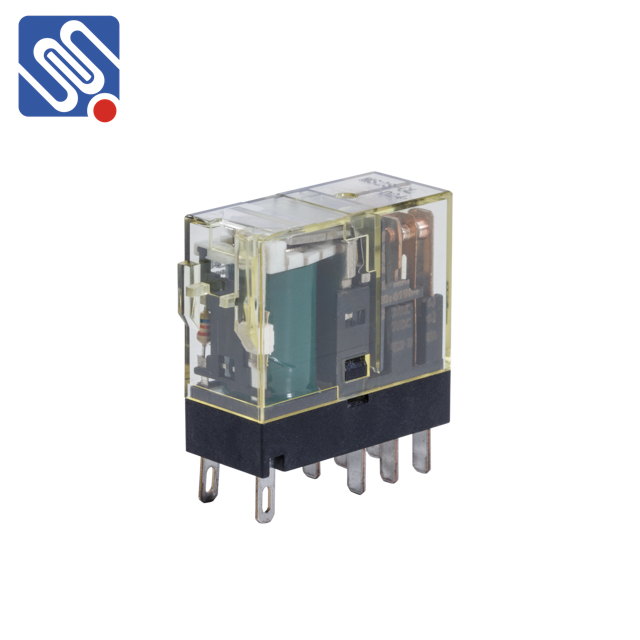
1. Understanding the Basics of Relays A relay is an electromechanical device that uses an electromagnet to open or close contacts, allowing one circuit to control another. Typically, a relay consists of a coil (electromagnet), a set of contacts (switches), and a spring-loaded mechanism to return the contacts to their default position. Relays are commonly used to switch higher voltage or current circuits with lower power control signals, making them indispensable in automation, protection, and signaling applications. 2. Key Factors for Relay Type Selection When selecting a relay, several factors must be taken into account to ensure it matches the specific needs of your application. Here are some critical considerations: