In today’s industrial environment, safety is of utmost importance, especially when dealing with high-pressure systems, hazardous chemicals, and critical machinery. One essential component that enhances safety and compliance across various industries is the Safety Valve Lock. These locks, produced by specialized factories, are designed to prevent unauthorized access and accidental release of pressure in systems such as pipelines, tanks, and reactors. In this article, we explore the role of Safety Valve Lock factories, the types of locks they manufacture, and their significance in ensuring the protection of both workers and operations.
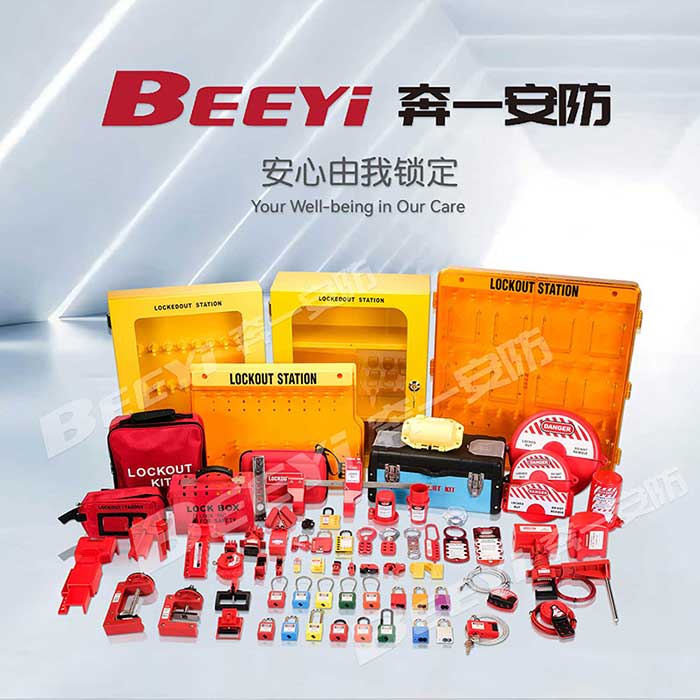
The Role of Safety Valve Locks Safety Valve Locks are an integral part of lockout/tagout (LOTO) procedures, which are designed to protect workers from hazardous energy during maintenance or repair work. These locks serve to secure safety valves, which control the release of pressure and prevent the unintended release of dangerous substances. When a safety valve is locked, it cannot be operated until the proper procedures are followed and the lock is removed, thus ensuring that no accidental discharges or explosions occur while the system is being worked on. The primary function of Safety Valve Locks is to provide a physical barrier between the worker and the equipment, preventing accidental operations that could result in injury or death. They are widely used in industries such as oil and gas, chemical processing, manufacturing, and power plants, where large systems with dangerous or pressurized substances are common.