In every industrial setting, safety is of paramount importance, particularly when dealing with hazardous machinery or equipment. One crucial safety procedure that can prevent serious accidents and injuries is LOTO Safety (Lockout/Tagout). This safety protocol is designed to protect workers from the unexpected release of hazardous energy during maintenance, repair, or servicing of machines. The implementation of LOTO procedures can save lives, reduce workplace injuries, and ensure compliance with safety regulations. This article explores the significance of LOTO safety, its components, and its importance in workplace hazard prevention.
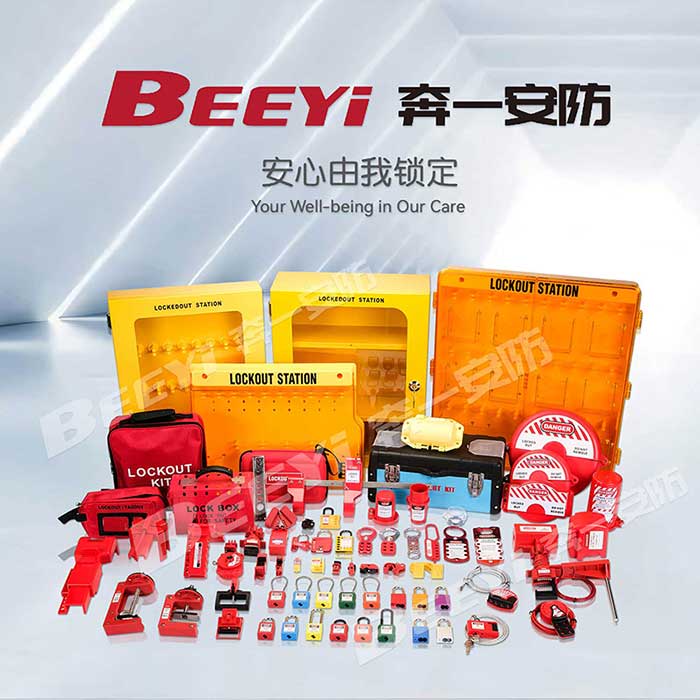
What is LOTO Safety? LOTO stands for Lockout/Tagout, two critical components used to control hazardous energy sources during maintenance or servicing activities. The purpose of LOTO is to ensure that machinery and electrical equipment cannot be accidentally powered on or activated while maintenance work is being carried out. It involves the application of physical locks (Lockout) and warning tags (Tagout) to energy-isolating devices to prevent energy from being released during servicing. Lockout refers to the practice of physically locking energy-isolating devices in a safe position to prevent machinery from being operated. This might involve placing a lock on a power switch or a valve to ensure it cannot be turned on while maintenance is in progress. On the other hand, Tagout involves attaching a clearly visible warning tag to energy-isolating devices to inform workers that the equipment is being serviced and should not be operated.