Time relays, also known as time delay relays, are critical components in various automation systems that require precise control over time-based operations. These devices are used to delay the opening or closing of contacts in a circuit after receiving an input signal. Time relays offer a broad range of applications, from simple household appliances to complex industrial machinery, enabling enhanced control and efficiency. This article explores the functions, types, applications, and advantages of time relays, highlighting their essential role in automation and control.
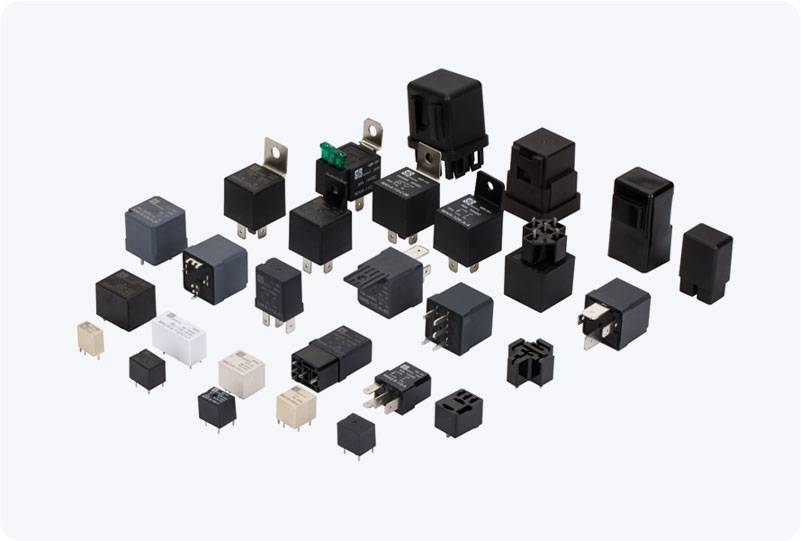
What is a Time Relay? A time relay is an electromechanical or solid-state device used to provide a time delay before a circuit’s contact switches from open to closed (or vice versa). The time delay can be preset and is typically adjustable depending on the relay model. The function of the time relay is to ensure that a device or system operates only after a predetermined period has elapsed, adding precision and reducing the risk of abrupt or erroneous operations. Types of Time Relays There are several types of time relays, each designed to serve different purposes within control systems. The most common types include: