Automation relays play a pivotal role in modern industrial automation systems. These devices, commonly used for controlling circuits in various applications, act as an interface between input and output systems, ensuring smooth operation, reliability, and protection of electrical circuits. In this article, we will explore the functionality, types, and applications of automation relays, and why they are essential in automation systems.
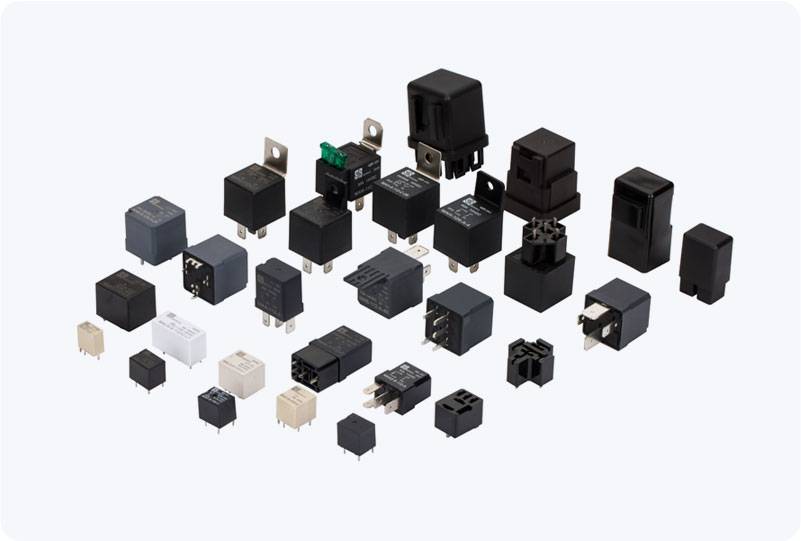
What is an Automation Relay? An automation relay is an electromechanical switch used to control a circuit’s operation. It typically operates by receiving a low-power input signal to trigger a switch that can control higher-power electrical circuits. The primary function of a relay in automation systems is to automate the switching of electrical circuits without requiring manual intervention. Automation relays are crucial for tasks such as controlling machinery, alarms, lighting systems, and HVAC equipment. The automation relay works by using an electromagnet to create a magnetic field when electrical current passes through it. This magnetic field either opens or closes the relay’s contacts, thereby controlling the connected circuits. When the relay is activated, the contacts either complete or break the circuit, depending on whether they are normally open (NO) or normally closed (NC). This mechanism allows for both manual and automatic control of electrical systems in industrial applications.