Latching relays, also known as bistable or keep relays, are a unique type of relay designed to hold their position without continuous power supply. Unlike regular relays, which require constant energy to maintain their state, latching relays retain their position until a new signal is applied to change it. This characteristic makes them ideal for energy-efficient applications where power conservation is essential. In this article, we will explore the working principles of latching relays, their advantages, and some common applications where they are widely used.
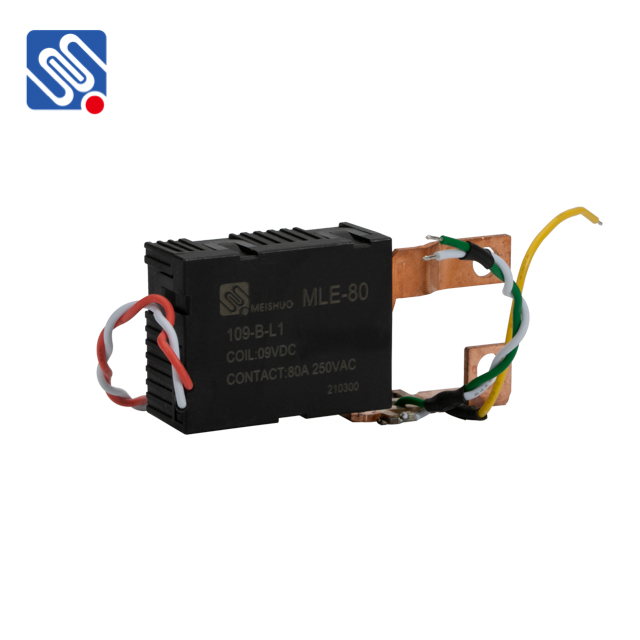
What is a Latching Relay? A latching relay is a type of electromechanical relay that features two stable states: a “latched” state and an “unlatched” state. The relay toggles between these states based on the input control signals. When the relay is activated by the first signal, it shifts to the latched state, and it will remain in that state even if the control signal is removed. To revert to the unlatched state, the relay requires a second signal, effectively “unlatching” it. This simple yet powerful mechanism allows latching relays to consume power only when they change states, making them much more energy-efficient compared to conventional relays, which require constant current to maintain their position.