In the realm of electrical engineering and industrial applications, the importance of safety cannot be overstated. One of the critical devices that play a significant role in ensuring safety and protection in electrical systems is the Overload Protection Relay. This device is designed to prevent damage to electrical motors and equipment from excessive current flows, thereby preserving both the machinery involved and the safety of personnel. Understanding the function, types, and applications of overload protection relays provides insights into their pivotal role in modern industries.
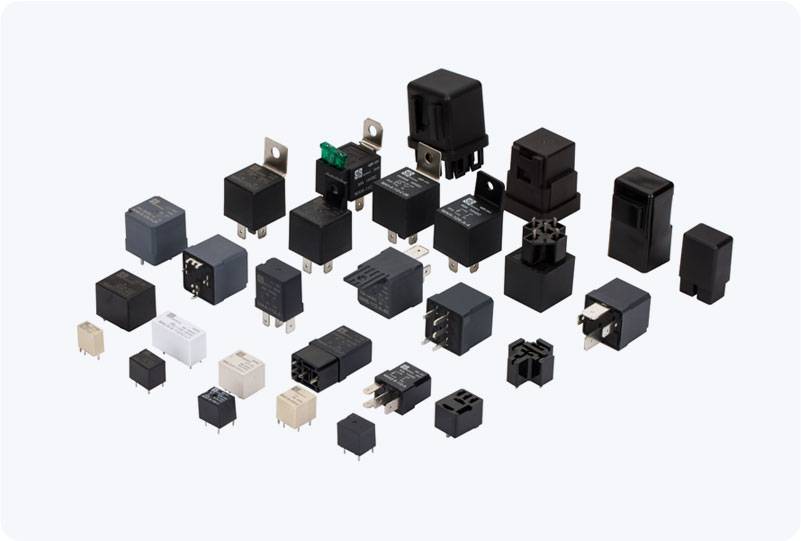
What is an Overload Protection Relay? An overload protection relay is an electromechanical device that monitors the current flowing through an electric motor. Its primary function is to detect excessive current, or overcurrent conditions, that can lead to overheating of the motor windings. By effectively monitoring this current, the relay ensures that the motor operates within its predefined limits. If the relay senses that the current exceeds the allowable threshold for a specified duration, it activates a mechanism to cut off the power supply, thereby preventing potential damage. How Does It Work?