A relay control system is an essential component in automation and electrical engineering, enabling the control of high-power circuits with a low-power signal. Relays serve as switches that automatically open or close an electrical circuit in response to input signals. These systems are widely utilized across various industries for managing electrical loads, ensuring safety, and providing efficient automation.
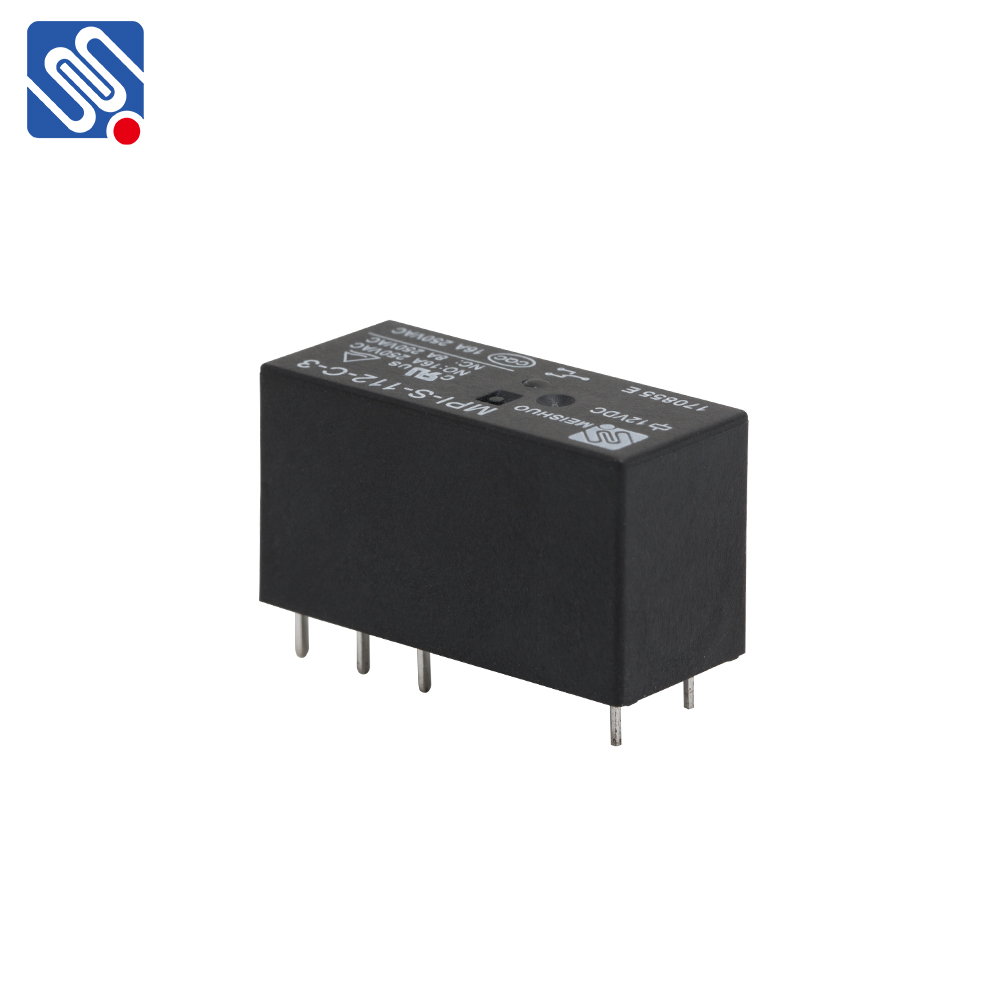
Principles of Relay Control Systems At its core, a relay is an electrically operated switch. It typically consists of an electromagnet, contacts, and a spring-loaded armature. When an electric current passes through the electromagnet, it creates a magnetic field, causing the armature to move and either open or close the circuit’s contacts. The relay operates as a switch, with the ability to control high-voltage or high-current devices using a much lower control voltage or current. The relay control system functions by sending a control signal—either from a manual switch, a sensor, or an automated controller—to the relay. The relay then responds by altering the state of the electrical circuit, which in turn controls devices such as motors, lights, or even complex machinery. This control mechanism is fundamental for applications in industrial automation, household appliances, and many other fields.