Relay parameters play a crucial role in the functioning of various control systems, including those used in electrical, communication, and automation industries. Understanding these parameters is essential for engineers and technicians to ensure that relays operate reliably and efficiently. This article will explore the critical relay parameters, their significance, and how they influence the overall performance of control systems.
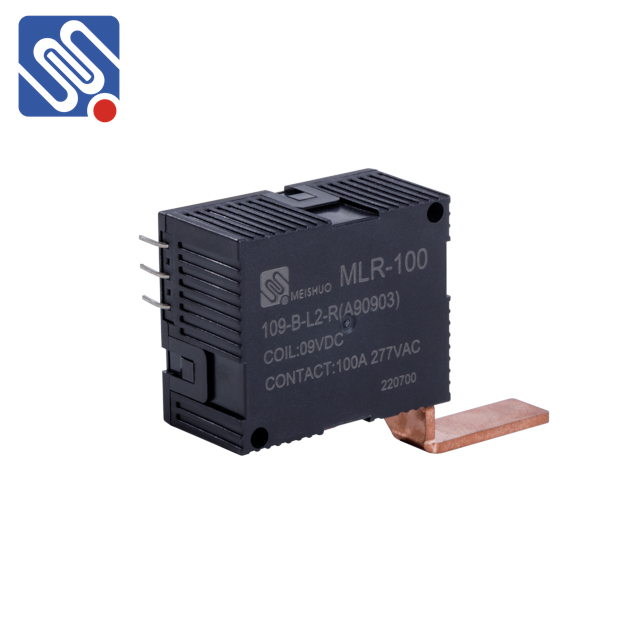
What Are Relay Parameters? A relay is an electrically operated switch used to control the flow of current in a circuit. It is a key component in automated systems, allowing for remote control or signaling functions. Relay parameters are the characteristics that define how the relay functions under various conditions. These parameters are essential for determining the relay’s response time, load handling capabilities, and overall effectiveness in a circuit. Key Relay Parameters Pickup Voltage (Trigger Voltage) One of the most important relay parameters is the pickup voltage, also known as the trigger voltage. This refers to the minimum voltage required to activate the relay’s switching mechanism. When the voltage applied to the relay coil reaches the pickup voltage, the relay will “pick up” and close the contacts. The pickup voltage is a critical parameter because if it is too low, the relay may activate prematurely, whereas if it is too high, the relay may fail to operate when needed.