Relay stability is a crucial concept within the field of control systems, specifically in the context of electric power systems and automation. Relays serve as automatic switches in various electrical and electronic devices, acting as triggers for control signals. The stability of a relay describes its ability to maintain its operational state when subjected to disturbances or changes within the system, thus preventing malfunctions or failure.
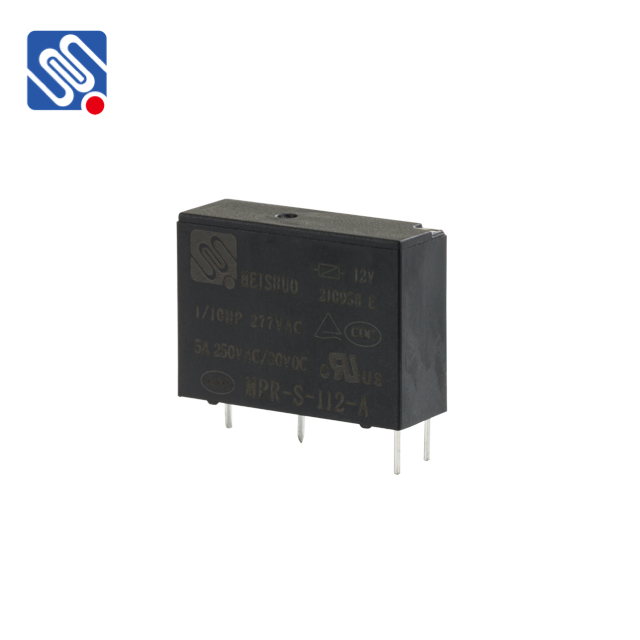
At its core, a relay operates by using an electromagnetic mechanism to open or close a circuit. When specific voltage or current levels are detected, the relay activates, allowing or interrupting the flow of electricity. The importance of relay stability becomes apparent in scenarios where immediate response to faults is critical—such as in power distribution networks, industrial automation, and safety systems. The reliability and performance of these systems heavily depend on well-designed relay mechanisms that can adapt to rapidly changing conditions. One of the primary factors influencing relay stability is the design of the control logic. This includes setting appropriate parameters for how the relay responds to input signals. If the logic is poorly designed, it may result in a failure to react correctly during disturbances—potentially leading to catastrophic outcomes in the event of faults. For instance, a relay that should open during a short circuit must be configured accurately to avoid either delay or false tripping.