In the ever-evolving world of technology, remote control systems have become indispensable in various fields, from home automation to industrial applications. One essential component that makes remote control systems possible is the Remote Control Relay. This device bridges the gap between human interaction and mechanical systems, allowing users to control electrical devices remotely. In this article, we will explore the fundamentals of remote control relays, their working principle, applications, and advantages.
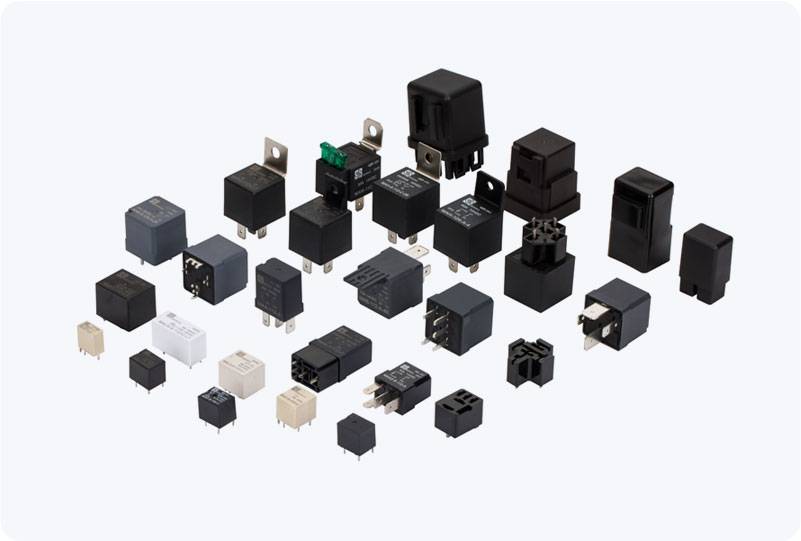
What is a Remote Control Relay? A Remote Control Relay is an electronically controlled switch that allows the user to remotely control electrical devices. It acts as an interface between a remote control device (such as a smartphone, computer, or dedicated remote) and the target electrical system (like lights, fans, or motors). By transmitting a signal from a remote control device to the relay, users can turn on or off various electronic systems without being physically present at the location. Remote control relays are typically used in conjunction with wireless communication methods such as Wi-Fi, Bluetooth, or Zigbee, although they can also be integrated into wired networks using methods like serial communication. This flexibility makes remote control relays an essential part of modern automation systems, particularly in the fields of home automation, industrial control, and smart devices.