Solid State Relays (SSRs) have become an essential component in modern electronic systems, offering a reliable and efficient way to control electrical power without the mechanical limitations of traditional electromechanical relays. This article delves into the workings, benefits, and applications of solid state relays, highlighting their importance in various industries.
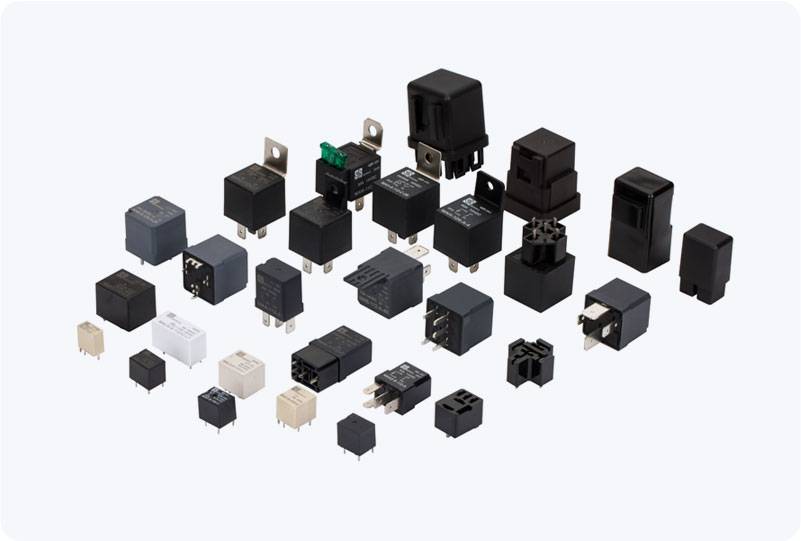
What is a Solid State Relay? A Solid State Relay is an electronic switching device that can control a circuit by a low-power signal or multiple circuits simultaneously. The SSR operates without moving parts, relying on semiconductor devices such as thyristors, transistors, or MOSFETs. Unlike traditional relays that use electromagnetic coils and mechanical contacts, SSRs utilize electronic components to achieve switching, which results in several significant advantages. How Does It Work? The operation of an SSR begins with an input signal applied to its control terminal. This signal activates the internal semiconductor device, leading to the completion of the electrical circuit connected to its load terminal. There are typically two main sides: the input side (control circuit) and the output side (load circuit). When the control circuit is powered, the SSR allows current to flow through the load. When the control signal is removed, the SSR turns off, effectively isolating the load from the power source.