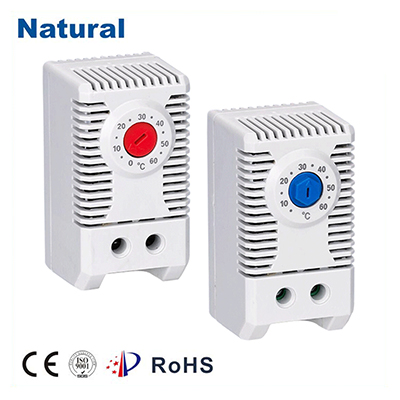
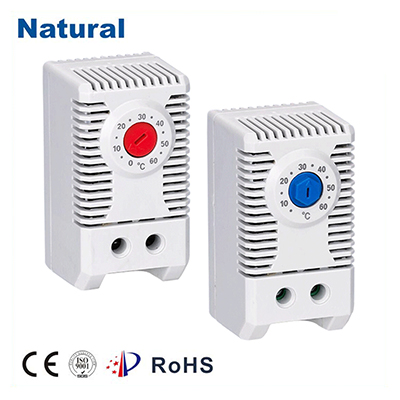
A bimetal thermostat thermostat is a widely used device in temperature regulation systems, designed to control or maintain temperature by using a bimetallic strip. This simple yet efficient mechanical solution is found in a wide array of devices such as household appliances, industrial machines, and even automobiles. The bimetal thermostat thermostat operates on the principle of differential thermal expansion of two metal layers, making it a cost-effective and reliable option for temperature control. This article delves into the working principle, applications, and advantages of the bimetal thermostat thermostat, highlighting its importance in various industries.
Working Principle of a Bimetal Thermostat Thermostat
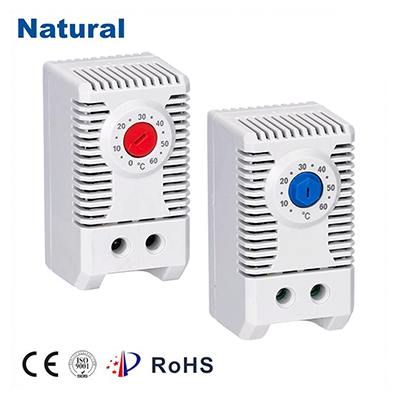
At its core, a bimetal thermostat thermostat operates through the physical property of two metals expanding at different rates when subjected to heat. The device consists of a bimetallic strip made from two metals with differing coefficients of expansion. When the temperature rises, one metal expands more than the other, causing the strip to bend or curl. The degree of bending depends on the temperature variation. This bending action triggers the operation of a mechanical switch, either closing or opening an electrical circuit. When the temperature reaches a predefined threshold, the thermostat activates the switch, turning off or on a heating or cooling system. This allows for temperature regulation in various applications, maintaining the desired set point.