The Cooling System Relay plays an essential role in modern vehicles and machinery, ensuring that the cooling system operates effectively to maintain optimal engine temperature. As engines work, they generate a substantial amount of heat, and if not managed properly, this heat can lead to engine damage, reduced performance, and ultimately a complete breakdown. This is where the cooling system, specifically the relay, comes into play.
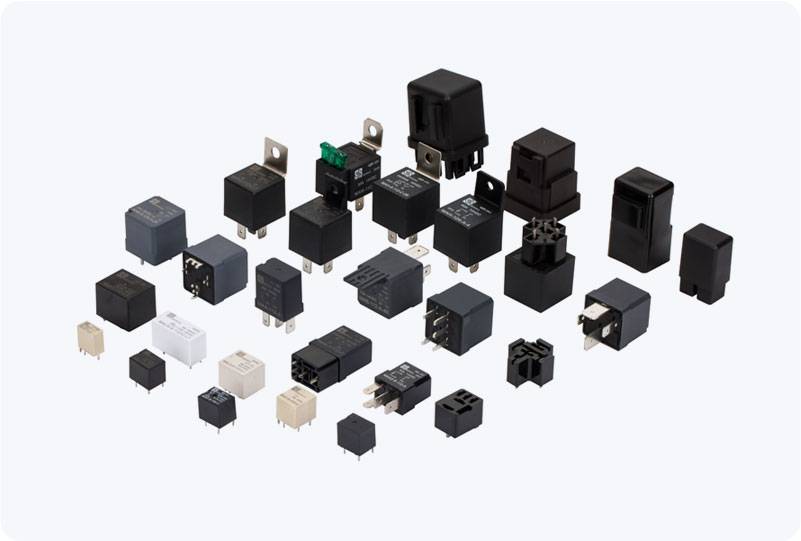
1. What is a Cooling System Relay? A Cooling System Relay is an electrical device designed to control the power supply to the cooling components of an engine, such as the cooling fans or water pumps. Its primary purpose is to switch high-current devices, such as cooling fans, on and off in response to temperature readings. Instead of directly using a manual switch or the Engine Control Unit (ECU) to handle high-power circuits, the relay ensures that only low-voltage signals are used to control these high-voltage components. By doing so, it protects the electrical components of the system and provides a more efficient way to manage the engine’s cooling process.