Electromagnetic relays are critical components in many electrical systems, acting as electrically operated switches that are used to control circuits by opening or closing contacts in response to an applied current. These versatile devices play a significant role in automation, control systems, and protection of electrical circuits. This article delves into the principles, construction, types, working mechanism, and applications of electromagnetic relays, offering a comprehensive understanding of their importance in modern electrical engineering.
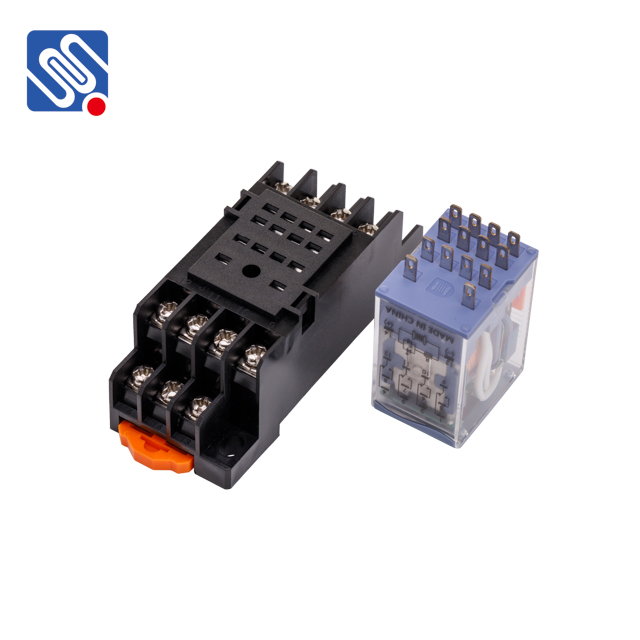
What is an Electromagnetic Relay? An electromagnetic relay is an electromechanical device that uses the principle of electromagnetism to operate a switch. When an electric current flows through a coil in the relay, it creates a magnetic field that attracts a movable armature, causing a change in the state of the switch, i.e., opening or closing the contacts. This action allows the relay to control the flow of electricity in a circuit, enabling it to either power a load or protect a system. How Does an Electromagnetic Relay Work? The basic operation of an electromagnetic relay involves several components. When voltage is applied to the coil of the relay, it generates a magnetic field that attracts the armature. The armature, often connected to a set of electrical contacts, moves when the coil is energized. The movement of the armature either closes or opens the contacts depending on the design of the relay.