Equipment lockout tags play a critical role in ensuring workplace safety across various industries, particularly in manufacturing, construction, and maintenance environments. These tags are an essential component of a broader lockout/tagout (LOTO) program, which aims to prevent accidental startup or operation of machinery and equipment while maintenance or servicing tasks are being performed. By using equipment lockout tags, organizations can effectively protect workers from hazardous energy sources and significantly reduce the risk of workplace injuries.
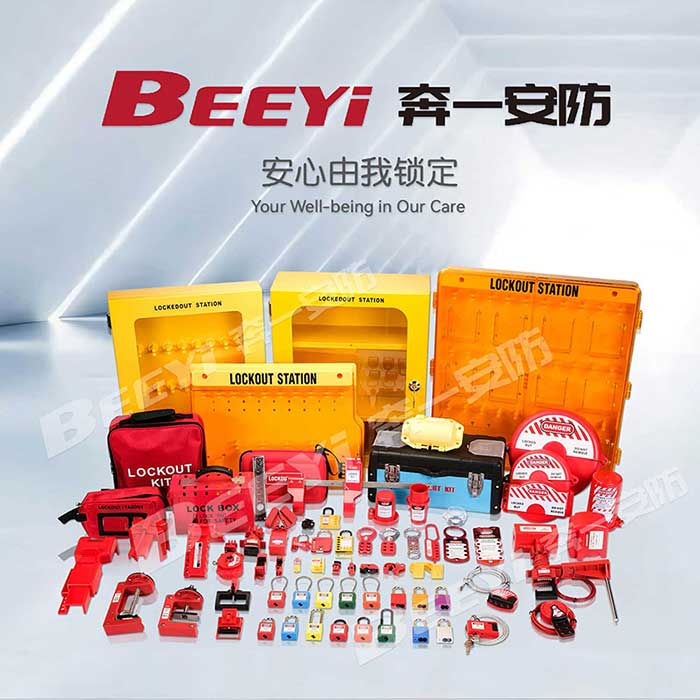
At its core, an equipment lockout tag serves as a visual warning and informational marker attached to machinery or equipment. The tag indicates that the equipment is currently locked out and must not be operated until it is safely cleared by the responsible personnel. Unlike a simple warning sign, the lockout tag is part of a formal procedure that includes both physical locks and written communication. This combination ensures that any attempt to start or operate the equipment without proper authorization is immediately apparent to all personnel in the vicinity. One of the primary benefits of equipment lockout tags is the clear communication of responsibility. Tags typically include important details such as the name of the employee performing the maintenance, the date and time of the lockout, and the reason for the equipment being out of service. This transparency helps other workers understand who is responsible for the equipment and discourages unauthorized attempts to bypass safety procedures. In addition, providing detailed information on the tag reduces confusion during complex maintenance operations, which may involve multiple teams or overlapping schedules.