A Motor Control Power Relay is an essential component in modern electrical and industrial systems, playing a critical role in controlling electric motors and ensuring their safe operation. Widely used in various applications, from household appliances to industrial machinery, motor control power relays facilitate the management of motor operations, provide protection mechanisms, and enable automation. This article explores the key components, working principles, and practical applications of motor control power relays.
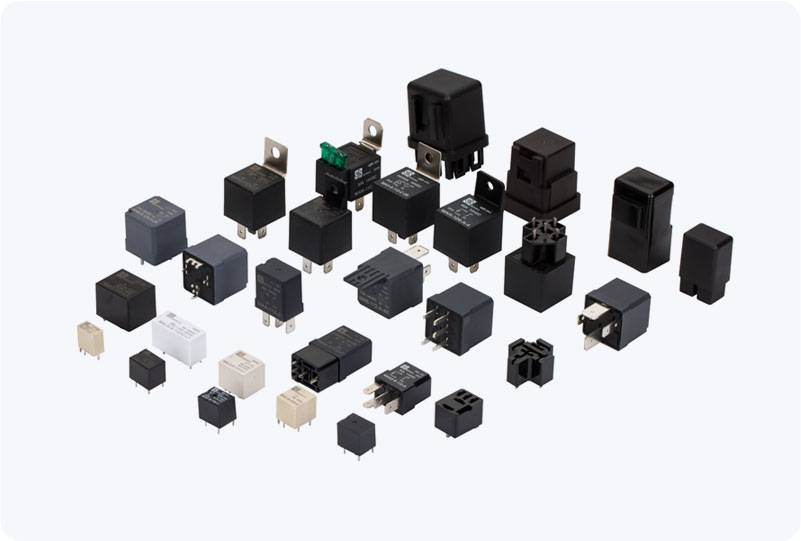
What is a Motor Control Power Relay? A Motor Control Power Relay is an electrically operated switch that is used to control the operation of an electric motor. It serves as a bridge between low-voltage control circuits and high-voltage power circuits, making it possible to manage the starting, stopping, and protection of motors in various systems. These relays are often integrated into motor control circuits, where they operate in conjunction with other components such as contactors, overload relays, and thermal relays to ensure efficient motor operation. Components of a Motor Control Power Relay