A Motor Starter Relay is an essential component used in the protection and control of electric motors. It plays a critical role in ensuring the motor functions efficiently and safely. In this article, we will explore the purpose, types, and significance of the Motor Starter Relay, along with its working principles, and why it is crucial for motor longevity and performance.
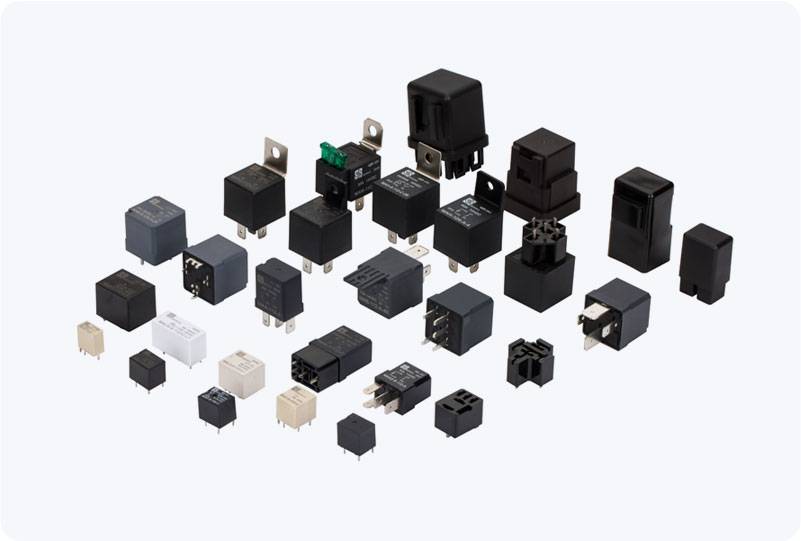
What is a Motor Starter Relay? A Motor Starter Relay is a device that helps in starting and controlling the operation of electric motors. It is an electrically operated switch that provides the necessary connection between the motor and the power source. When a motor is started, the relay helps establish this connection, and once the motor is running, the relay ensures the motor continues to function as intended. The Motor Starter Relay is part of the larger motor control system and is typically used alongside contactors, overload relays, and fuses. Its primary function is to control the start-up and stop of motors, and protect the motor from overload or damage. The relay’s ability to break and establish circuits when needed ensures smooth operation and safety.